
How Pet-Friendly Lifestyle Travel Became a Pop Culture Trend
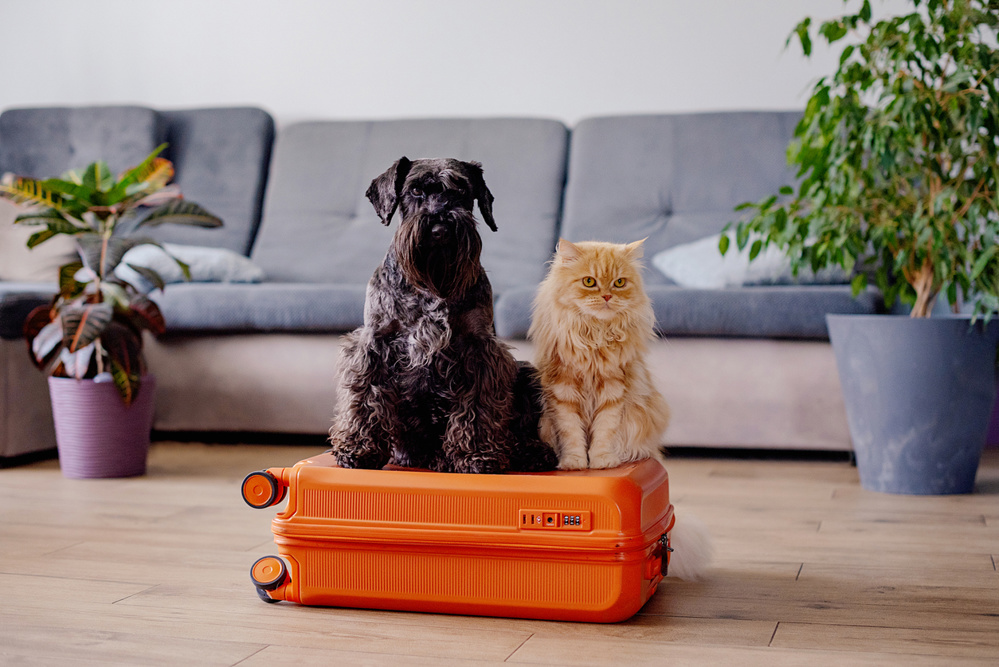
Pet-friendly travel didn’t become popular by accident—it reflects a deeper cultural shift in how people define family, identity, and lifestyle. Pets are no longer treated as secondary companions left behind during trips. Instead, they are integrated into everyday life, including how people move, work, and explore the world.
This shift has transformed travel from a purely individual activity into something shared, where pets are part of the experience rather than an obstacle to it. Social media accelerated this change. Platforms like Instagram and TikTok turned pet travel into highly visible, aspirational content. Over time, these images reshaped expectations, influencing how people think travel should look.
When Did Traveling With Pets Become Normal?
Traveling with pets was not always common. For much of the 20th century, it was limited by infrastructure and social expectations. Flights were expensive, accommodations were restrictive, and most travel systems were not designed to accommodate animals. Pets were often left at home or placed in temporary care, reinforcing the idea that travel and pet ownership were separate aspects of life.
That separation began to change as travel became more accessible and lifestyles shifted. Improvements in transportation, along with the introduction of pet carriers and updated airline policies, made it easier for animals to travel safely. At the same time, hospitality industries started recognizing demand for pet-friendly options, gradually adapting their services.
As these changes accumulated, traveling with pets moved from exception to expectation. What once required special arrangements became part of normal planning. This shift reflects not just improved logistics, but a broader cultural redefinition of what it means to include pets in everyday life.
How Pets Became Family: and Why Hotels Had to Respond
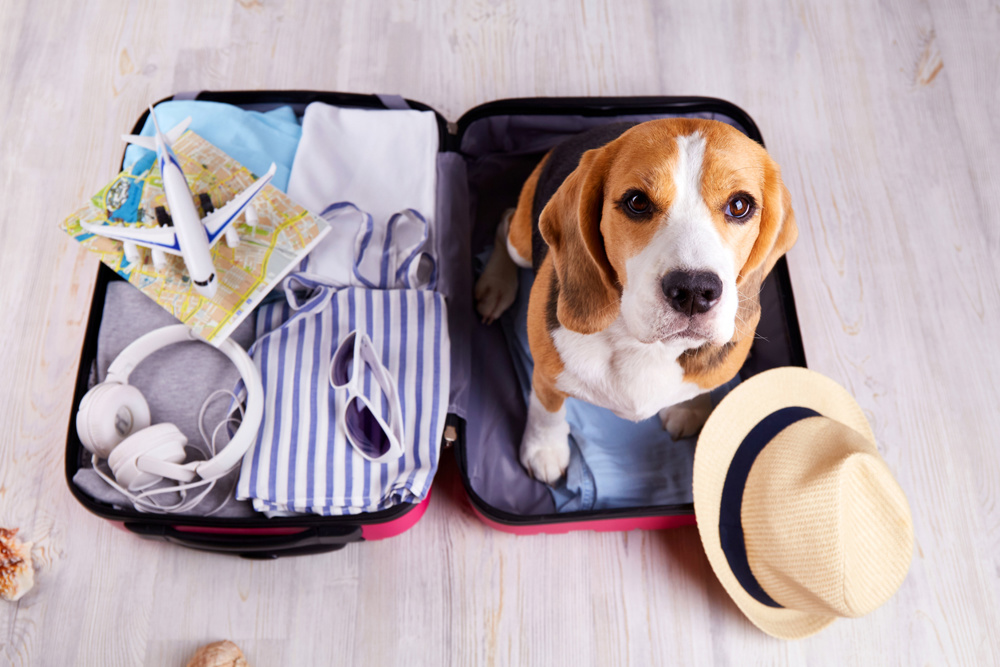
The idea that pets are family is central to understanding why pet-friendly travel expanded so quickly. This shift didn’t happen overnight—it developed as people began forming stronger emotional connections with their animals. For many, pets became companions that provide comfort, stability, and routine, especially during periods of uncertainty.
As this perspective became more common, industries had to adapt. Hotels, in particular, could no longer treat pets as exceptions. Travelers began choosing accommodations based on whether their pets were welcome, forcing businesses to reconsider policies and amenities. Pet-friendly rooms, designated spaces, and flexible rules became competitive advantages rather than optional features.
This change reflects how personal values influence market behavior. When people prioritize their pets as family members, their decisions follow that logic. The hospitality industry’s response shows how quickly cultural expectations can reshape entire sectors when demand becomes consistent.
Why Are Millennials and Remote Workers Driving Pet-Friendly Travel?
Millennials and remote workers have played a major role in accelerating pet-friendly travel. Their lifestyles emphasize flexibility, mobility, and experience, making it more practical to include pets in travel plans. Remote work, in particular, removed geographic constraints, allowing people to move more freely without leaving their routines behind.
This generation also places a strong emphasis on emotional well-being. Pets are seen as part of that equation, providing companionship and stability. Leaving them behind conflicts with the lifestyle many people are trying to build, where work, travel, and personal life are integrated rather than separated.
As a result, travel decisions are increasingly shaped by the ability to bring pets along. Destinations, accommodations, and transportation options are evaluated based on how well they support this lifestyle. This shift highlights how changing work patterns and values influence broader cultural trends.
What Pet-Friendly Travel Actually Costs: and Why People Pay It
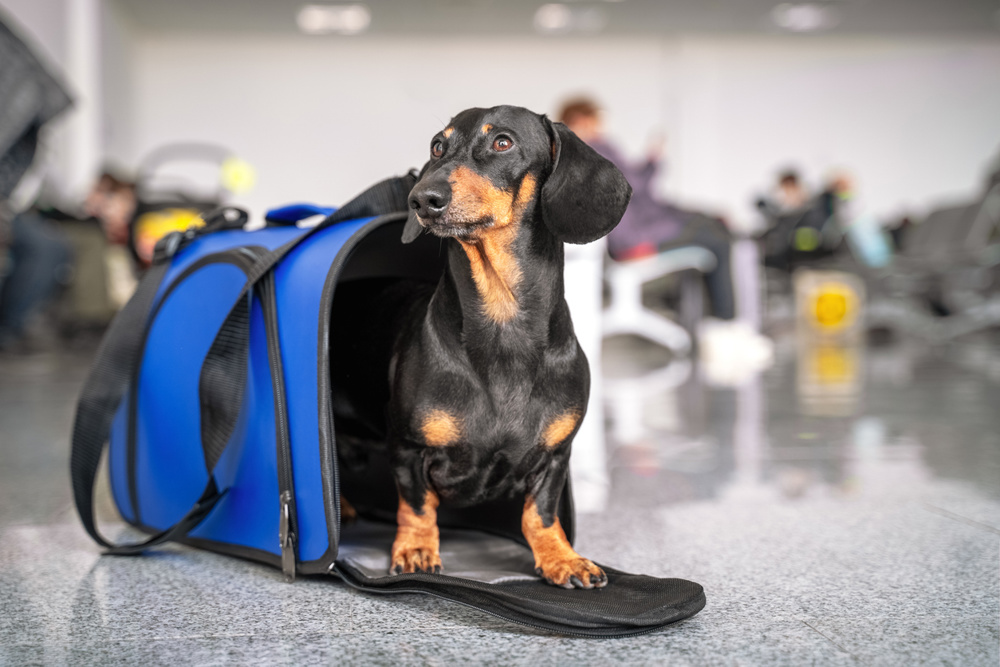
Traveling with pets often involves additional costs, from airline fees to accommodation charges and veterinary requirements. These expenses can add up quickly, making pet-friendly travel more expensive than standard trips. Despite this, many people continue to choose it, prioritizing the experience over the cost.
The reason is largely emotional. For those who see pets as family, the value of traveling together outweighs the financial trade-offs. The cost becomes part of maintaining a lifestyle rather than an unnecessary burden. This perspective reframes spending as an investment in shared experience rather than a limitation.
This willingness to pay also influences the market. As demand remains strong, businesses continue to expand pet-friendly offerings, reinforcing the cycle. What was once considered an added expense becomes normalized within the broader context of lifestyle choices.
Why Luxury Pet Amenities Have Become a Hotel Standard
Pet-friendly accommodations have evolved from basic acceptance to full integration. Hotels are no longer simply allowing pets—they are designing experiences around them. This includes specialized bedding, designated outdoor spaces, and curated amenities that mirror those offered to human guests.
This shift reflects competition within the hospitality industry. As more travelers prioritize pet-friendly options, businesses differentiate themselves by offering enhanced experiences. What began as a niche offering has become part of standard expectations, particularly in higher-end markets.
These amenities also carry symbolic value. They signal attention to detail and alignment with customer priorities. By catering to pets, hotels demonstrate an understanding of modern travel behavior, reinforcing their relevance in a changing market.
Check out MrPopCulture.com and learn more about pop culture trends in pet-friendly lifestyle and travelling!
Which Destinations Are Leading the Dog-Friendly Travel Movement?
Luxury pet amenities are only half the equation — where you take your dog matters just as much as where you stay. Coastal havens and mountain retreats are redefining dog-friendly travel across the U.S. and beyond. Top destinations leading the movement include:
- San Diego, California – Off-leash Dog Beach plus sprawling Balboa Park
- Carmel-by-the-Sea, California – Scenic coastal access with full dog-friendly accessibility
- Homer, Alaska – Leash-free Bishop's Beach with stunning Kachemak Bay views
- Asheville, North Carolina – Blue Ridge Mountain trails and dedicated dog parks
- Sedona, Arizona – Breathtaking hikes like Bell Rock Trail welcoming pets
These destinations don't just tolerate dogs — they celebrate them, offering purpose-built spaces, trail access, and outdoor dining that make traveling with your pup genuinely rewarding. In Fairhope, Alabama, dogs are welcome at the Fairhope Municipal Pier as long as they remain on a leash, making it a standout stop for pet travelers exploring the Eastern shore of Mobile Bay.
How Airlines and Trains Are Catching Up With Pet-Friendly Travel
Transportation systems have historically been one of the biggest barriers to pet-friendly travel, but that is gradually changing. Airlines and rail services are beginning to recognize that modern travelers expect their pets to be included, not excluded. This shift is pushing companies to rethink long-standing policies that treated animals as cargo rather than companions.
Recent updates reflect this change in mindset. More flexible cabin policies, improved safety standards, and clearer travel guidelines are making it easier for pet owners to plan trips. Some services are also experimenting with expanded in-cabin allowances and better accommodations for different pet sizes, showing a willingness to adapt to evolving expectations.
These developments highlight how infrastructure responds to cultural demand. As more people travel with pets, transportation systems are forced to adjust or risk falling behind. Over time, these incremental changes contribute to a broader normalization, where traveling with pets becomes less of a special case and more of a standard experience.
Which Dog Breeds and Owner Types Are Changing the Industry
Behind the surge in pet-friendly travel is a clear pattern: certain dog breeds and owner types are reshaping what the industry has to offer. Whether you're an urban commuter or an adventure companion seeker, your dog's breed signals what you need from travel services.
Breeds driving this shift include:
- Toy Poodles and Chihuahuas — compact, carrier-ready, ideal for flights
- French Bulldogs and Boston Terriers — popular city dogs shaping urban commuter demand
- Labradors and Golden Retrievers — adventure companions pushing outdoor-friendly policies
- Cavalier King Charles Spaniels and Maltese — lapdog travelers demanding calm, comfortable cabins
- Australian Shepherds and Border Collies — active explorers requiring trail-accessible accommodations
You're not just traveling with a pet — you're defining a new travel identity that businesses can't afford to ignore. Many airlines impose restrictions on brachycephalic breeds, such as French Bulldogs and Pugs, due to serious breathing and overheating risks during flights.
How Social Media Made Dog Travel a Lifestyle Statement
Social media has transformed pet travel from a personal choice into a visible lifestyle. Platforms like Instagram and TikTok allow users to document their trips, turning everyday experiences into shareable content. This visibility creates a cycle where people are inspired by what they see and then recreate similar experiences themselves.
The visual nature of these platforms plays a major role. Carefully framed photos, scenic backdrops, and coordinated aesthetics shape how pet travel is presented. It’s no longer just about the destination—it’s about how the journey looks and how it’s shared. This emphasis on presentation influences behavior, encouraging people to think about travel in more curated ways.
Over time, this has created a recognizable image of pet-friendly travel. It becomes a form of expression, where bringing a pet along communicates lifestyle choices and personal values. What began as simple documentation has evolved into a cultural pattern, reinforcing the idea that travel and identity are closely connected.
Where Pet-Friendly Travel Is Headed by 2026
he future of pet-friendly travel is centered on integration. Technology, infrastructure, and services are evolving to make the experience more seamless, reducing the barriers that once made traveling with pets difficult. From simplified booking systems to improved coordination between services, the goal is to make inclusion feel effortless.
At the same time, the cultural role of pets remains unchanged. They continue to be part of daily routines, influencing decisions about where people go and how they travel. This consistency ensures that demand for pet-friendly options will continue to grow, shaping how industries develop their offerings.
Rather than replacing existing systems, these changes build on them. Pet-friendly travel expands gradually, adapting to new expectations while maintaining its core purpose. As this process continues, it becomes less of a trend and more of a standard feature of modern travel culture.
Conclusion
Pet-friendly travel is no longer a niche preference—it’s a reflection of how modern life is structured. As pets become more integrated into daily routines, the way people travel naturally changes to include them. This shift is driven by evolving definitions of family, the influence of social media, and a growing emphasis on lifestyle alignment.
What makes this trend significant is its consistency across different areas. Transportation, hospitality, and digital platforms are all adapting to support pet-inclusive travel, reinforcing its place in everyday life. These changes are not isolated—they are part of a broader cultural movement toward flexibility, personalization, and connection.