A Year-Round Texas History Calendar for Curious Travelers
Texas history doesn’t just sit in museums—it plays out across seasons, landscapes, and public memory. From reenactments and festivals to preserved landmarks and cultural traditions, the state turns history into something you can experience throughout the year. What makes Texas unique isn’t just the depth of its past, but how often that past is revisited, performed, and reshaped in public life.
What makes Texas unique isn’t just the depth of its past, but how often that past is revisited, performed, and reshaped in public life. Seasonal events, local traditions, and regional celebrations all contribute to this ongoing process. Each experience adds another layer to how history is understood, blending fact with interpretation and memory with participation.
Winter Texas History Events Worth Planning Around
Winter in Texas transforms historic sites into immersive cultural experiences that feel both educational and theatrical. Frontier forts, plantations, and heritage towns take on a different atmosphere during the holiday season, using seasonal traditions to bring history to life. Instead of quiet, static environments, these places become active settings filled with light, sound, and interaction.
December is especially rich with these experiences. Events at places like Fort Concho and Barrington Living History Farm recreate 19th-century life through hands-on demonstrations and seasonal rituals, while towns like Fredericksburg highlight their German heritage through traditions that have been passed down for generations.
This kind of presentation has influenced how Texas history appears in the media. Holiday scenes in films and television often draw from the same visual elements—historic buildings, warm lighting, and communal gatherings—that you can experience in person. Winter becomes a season where history feels most atmospheric, reinforcing its role as both memory and spectacle.
Spring Battles and Independence Milestones Across Texas
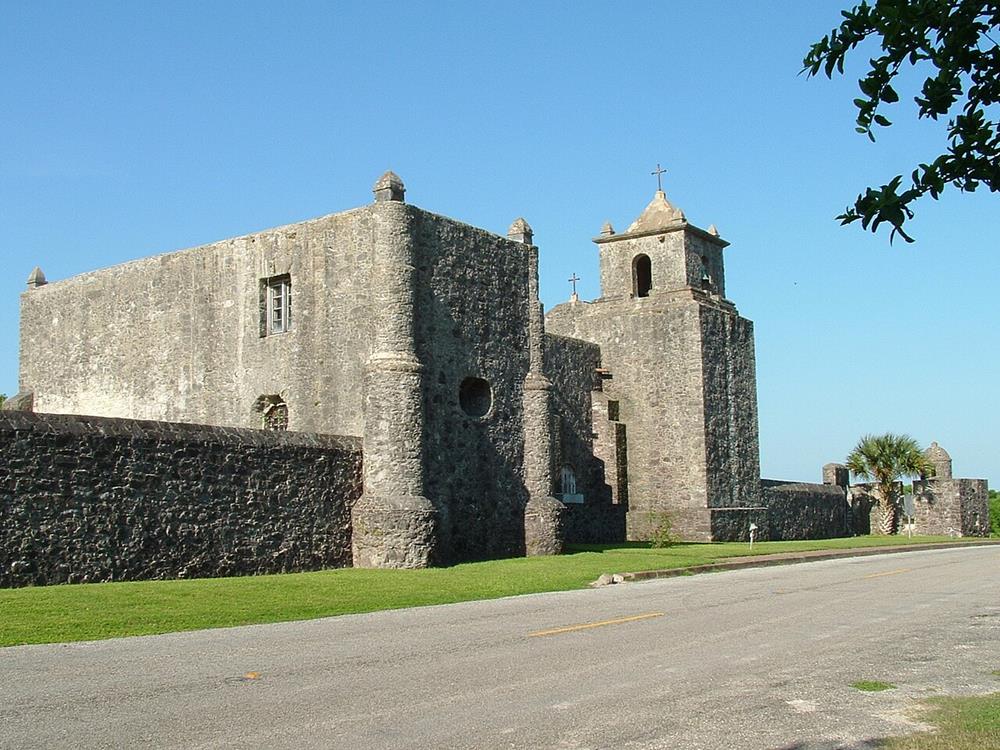
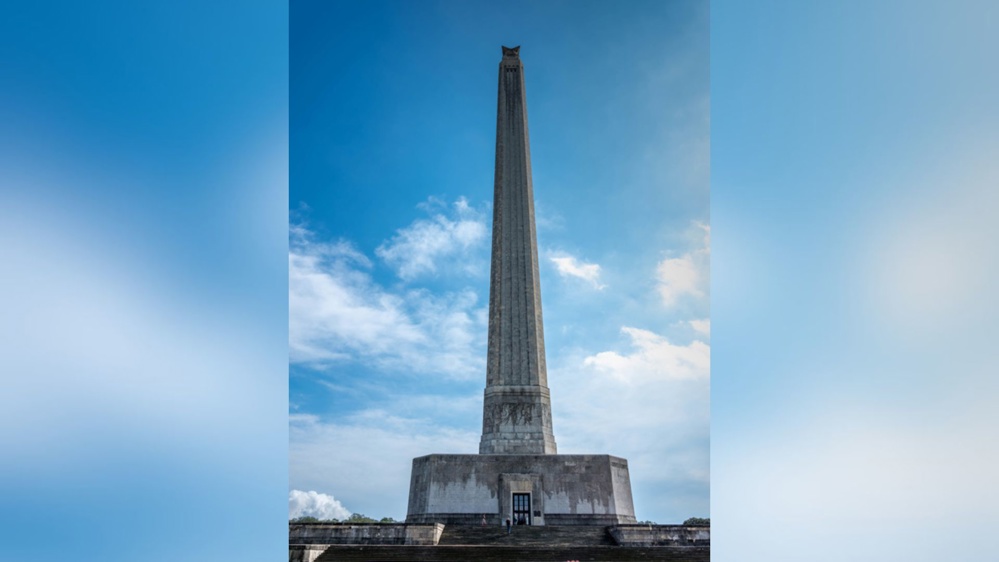
Spring marks one of the most defining periods in Texas history, centered around independence and early state formation. Sites like Washington-on-the-Brazos and the San Jacinto battleground become focal points for understanding how Texas identity was shaped. These locations aren’t just preserved—they’re revisited annually through ceremonies, reenactments, and educational events that keep their significance visible.
The timing of these events reinforces their importance. Anniversaries of the Texas Declaration of Independence and the Battle of San Jacinto are marked with public programming that turns historical milestones into shared experiences. Visitors aren’t simply observing history—they’re participating in how it’s remembered and communicated.
These moments have also shaped Texas’s role in pop culture. Stories of independence, resilience, and conflict appear repeatedly in films, books, and television, often drawing directly from these events. By visiting these sites in spring, you’re engaging with the same narratives that continue to define Texas in broader cultural storytelling.
Summer Texas History Festivals Worth Attending
As temperatures rise, Texas history shifts from formal sites to large-scale festivals that celebrate regional identity. Summer events highlight agriculture, coastal life, and local traditions, turning history into something communal and celebratory. These festivals emphasize participation, making them accessible to both residents and visitors.
Events like watermelon festivals, coastal celebrations, and regional gatherings reflect how history is embedded in everyday life. They focus less on specific dates and more on ongoing cultural practices—farming traditions, local food, and community rituals. This approach makes history feel continuous rather than fixed in the past.
Summer festivals also play a major role in shaping Texas’s public image. Their visuals—parades, food, music, and open landscapes—are often used in media to represent the state. As a result, these events function as both cultural traditions and recognizable symbols, reinforcing how Texas is perceived beyond its borders.

Fall Texas History Programs, Archives, and Ranch Events
Fall introduces a more structured approach to history, focusing on education, preservation, and deeper engagement. Workshops, archive programs, and university initiatives provide opportunities to explore Texas history in detail, moving beyond surface-level experiences. This season emphasizes understanding rather than spectacle.
Programs offered by historical commissions and universities allow participants to engage directly with primary sources, preservation techniques, and regional research. Ranch events and heritage programs further connect visitors to Texas’s agricultural and frontier past, offering practical insights into how these traditions developed.
This shift reflects another layer of Texas history’s presence in culture. While summer emphasizes visibility and participation, fall highlights depth and continuity. The balance between these approaches ensures that Texas history remains both widely recognized and continuously studied. It also mirrors how history appears in media—sometimes as spectacle, other times as a subject of deeper exploration—reinforcing its role as both a cultural symbol and an ongoing field of understanding.
First Texans: Indigenous History Sites and Prehistoric Texas Landmarks
Long before modern Texas took shape, Indigenous communities established complex societies across the region. Sites like Caddo Mounds and Hueco Tanks preserve evidence of these early cultures, offering insight into thousands of years of history that predate European influence.
Visiting these sites provides a different perspective on Texas history—one that extends far beyond familiar narratives of independence and settlement. The presence of rock art, ceremonial structures, and long-standing trade routes highlights a deeply rooted cultural history that is often underrepresented in mainstream storytelling.
In recent years, this aspect of Texas history has gained more visibility in both education and media. Documentaries, museum exhibits, and cultural initiatives have worked to bring Indigenous stories into broader awareness, challenging simplified or incomplete narratives. As a result, these sites are becoming more central to how Texas is represented, both academically and in pop culture.
Be sure to check out tools to build your own custom calendars today!
Juneteenth, Reenactments, and Living Texas History Events Today
Juneteenth stands as one of the most significant historical events associated with Texas, marking the end of slavery in the state. Celebrations in places like Galveston and Houston transform this moment into a living, evolving tradition that combines education, remembrance, and community engagement. Parades, public readings, and cultural events bring history into the present, ensuring that its meaning continues to resonate across generations.
Reenactments and cultural programs extend this approach throughout the year. Events featuring historical interpreters, heritage festivals, and public exhibits allow visitors to engage with history in a direct and interactive way. These experiences move beyond passive observation, encouraging participation and dialogue.
Juneteenth’s recognition as a federal holiday has further amplified its presence in pop culture. It now appears in films, television, music, and national conversations, expanding its reach beyond Texas while still maintaining its regional roots. This visibility demonstrates how Texas history continues to influence broader cultural discussions, turning local events into widely recognized symbols of historical significance and collective memory.
Texas History Sites and Events Open Any Time of Year
While many events are seasonal, Texas offers a wide range of historical sites that remain accessible year-round. Museums, preserved towns, and landmark locations provide consistent opportunities to explore the state’s past without relying on specific dates or scheduled programming. This accessibility makes it possible to engage with Texas history at any time, allowing travelers to build their own experiences rather than following a fixed calendar.
These sites serve as anchors within the broader historical landscape. They provide continuity, offering stable points of reference that connect the different eras and narratives explored throughout the year. Whether through guided tours, interactive exhibits, or self-directed exploration, visitors can engage with history at their own pace.
Their ongoing accessibility also reinforces their role in cultural representation. Many of these locations appear in films, television, tourism campaigns, and educational materials, making them recognizable even to those who have never visited. As a result, they function as both real places and cultural symbols, bridging the gap between lived experience and mediated representation.
How Texas History Shapes Its Image in Pop Culture
Texas history plays a central role in shaping how the state is represented in pop culture. Films, television shows, and literature frequently draw from historical events, landscapes, and traditions to create narratives that feel authentic and recognizable. These representations rely on real locations and stories, connecting media to lived experience.
Iconic settings—battlefields, ranches, small towns, and open highways—act as visual shorthand for Texas identity. Audiences don’t need explanation; these elements immediately communicate themes of independence, resilience, and scale. This makes Texas history a powerful storytelling tool across different forms of media.
As a result, the relationship between history and pop culture becomes cyclical. Real events inspire the media, and the media reinforces those same events as central to Texas identity. Over time, this feedback loop strengthens recognition, turning specific places and stories into widely understood cultural references that extend far beyond the state itself.
Why Seasonal History Travel Reflects Texas Lifestyle Culture
The idea of exploring Texas history through a seasonal calendar reflects how people interact with the state itself. Weather, geography, and cultural events all influence when and how people travel, creating patterns that align with the environment. This makes history feel connected to everyday life rather than separate from it.
Seasonal travel also highlights adaptability, a defining aspect of Texas culture. Visitors and residents adjust their plans based on changing conditions, shifting between indoor programs, outdoor festivals, and historical sites throughout the year. This flexibility reinforces the idea that engaging with history is not a fixed activity but an ongoing process that evolves with circumstances.
These patterns contribute to a broader lifestyle approach, where history becomes part of routine experiences. Instead of being confined to isolated visits, it is woven into travel habits, community events, and everyday exploration. This creates a dynamic relationship between past and present, allowing history to remain relevant and continuously reinterpreted.
How Visiting Texas History Turns Travel Into Cultural Participation
Experiencing Texas history in person transforms travel into active participation rather than passive observation. Visiting sites, attending events, and engaging with local traditions allows travelers to become part of the narrative, even temporarily. This creates a deeper connection to the places and stories being explored.
This form of participation is what distinguishes Texas history from more static interpretations. It exists not only in preserved artifacts but also in landscapes, communities, and recurring events. Travelers contribute to the continuation of these traditions simply by being present, interacting with them, and sharing their experiences with others.
Over time, this interaction reinforces the cultural significance of these experiences. History becomes something lived and shared, shaping not only how it is remembered but also how it continues to influence identity and storytelling. This ongoing engagement ensures that Texas history remains active rather than fixed.
Conclusion
Texas history is not static—it moves through seasons, spaces, and shared experiences. From winter reenactments to summer festivals and year-round landmarks, the state turns its past into something visible and accessible. This constant presence ensures that history remains part of everyday life rather than something distant or abstract.
Exploring Texas history becomes more than travel—it becomes participation in an ongoing story. It reflects how culture, memory, and identity are continuously built and shared, making Texas history a lasting and evolving presence in both real life and pop culture.
Texas history doesn’t just sit in museums—it plays out across seasons, landscapes, and public memory. From reenactments and festivals to preserved landmarks and cultural traditions, the state turns history into something you can experience throughout the year. What makes Texas unique isn’t just the depth of its past, but how often that past is revisited, performed, and reshaped in public life.
What makes Texas unique isn’t just the depth of its past, but how often that past is revisited, performed, and reshaped in public life. Seasonal events, local traditions, and regional celebrations all contribute to this ongoing process. Each experience adds another layer to how history is understood, blending fact with interpretation and memory with participation.
Winter Texas History Events Worth Planning Around
Winter in Texas transforms historic sites into immersive cultural experiences that feel both educational and theatrical. Frontier forts, plantations, and heritage towns take on a different atmosphere during the holiday season, using seasonal traditions to bring history to life. Instead of quiet, static environments, these places become active settings filled with light, sound, and interaction.
December is especially rich with these experiences. Events at places like Fort Concho and Barrington Living History Farm recreate 19th-century life through hands-on demonstrations and seasonal rituals, while towns like Fredericksburg highlight their German heritage through traditions that have been passed down for generations.
This kind of presentation has influenced how Texas history appears in the media. Holiday scenes in films and television often draw from the same visual elements—historic buildings, warm lighting, and communal gatherings—that you can experience in person. Winter becomes a season where history feels most atmospheric, reinforcing its role as both memory and spectacle.
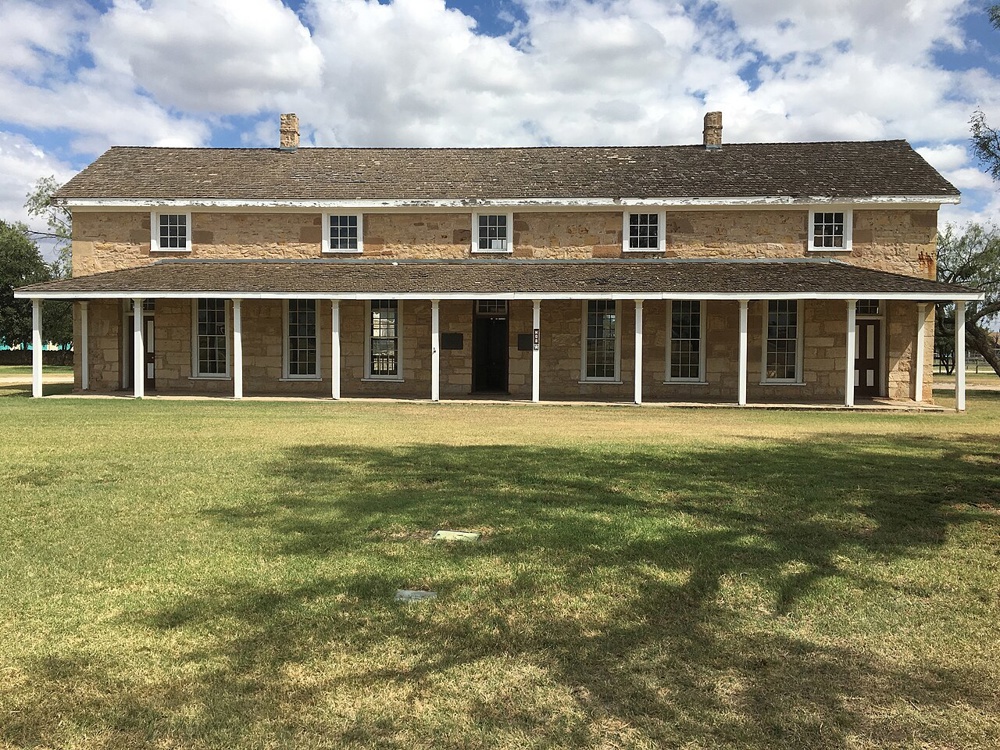
Image: Fort Concho - https://en.wikipedia.org/wiki/Fort_Concho#/media/File:Fort_Concho,_Headquarters.jpg (Alt-txt: The Headquarters building of Fort Concho, in San Angelo, Texas.)
Spring Battles and Independence Milestones Across Texas
Spring marks one of the most defining periods in Texas history, centered around independence and early state formation. Sites like Washington-on-the-Brazos and the San Jacinto battleground become focal points for understanding how Texas identity was shaped. These locations aren’t just preserved—they’re revisited annually through ceremonies, reenactments, and educational events that keep their significance visible.
The timing of these events reinforces their importance. Anniversaries of the Texas Declaration of Independence and the Battle of San Jacinto are marked with public programming that turns historical milestones into shared experiences. Visitors aren’t simply observing history—they’re participating in how it’s remembered and communicated.
These moments have also shaped Texas’s role in pop culture. Stories of independence, resilience, and conflict appear repeatedly in films, books, and television, often drawing directly from these events. By visiting these sites in spring, you’re engaging with the same narratives that continue to define Texas in broader cultural storytelling.
Summer Texas History Festivals Worth Attending
As temperatures rise, Texas history shifts from formal sites to large-scale festivals that celebrate regional identity. Summer events highlight agriculture, coastal life, and local traditions, turning history into something communal and celebratory. These festivals emphasize participation, making them accessible to both residents and visitors.
Events like watermelon festivals, coastal celebrations, and regional gatherings reflect how history is embedded in everyday life. They focus less on specific dates and more on ongoing cultural practices—farming traditions, local food, and community rituals. This approach makes history feel continuous rather than fixed in the past.
Summer festivals also play a major role in shaping Texas’s public image. Their visuals—parades, food, music, and open landscapes—are often used in media to represent the state. As a result, these events function as both cultural traditions and recognizable symbols, reinforcing how Texas is perceived beyond its borders.
Image: Watermelons - https://www.istockphoto.com/photo/watermelon-gm545376826-98268137?searchscope=image%2Cfilm (Alt-txt: watermelon)
Fall Texas History Programs, Archives, and Ranch Events
Fall introduces a more structured approach to history, focusing on education, preservation, and deeper engagement. Workshops, archive programs, and university initiatives provide opportunities to explore Texas history in detail, moving beyond surface-level experiences. This season emphasizes understanding rather than spectacle.
Programs offered by historical commissions and universities allow participants to engage directly with primary sources, preservation techniques, and regional research. Ranch events and heritage programs further connect visitors to Texas’s agricultural and frontier past, offering practical insights into how these traditions developed.
This shift reflects another layer of Texas history’s presence in culture. While summer emphasizes visibility and participation, fall highlights depth and continuity. The balance between these approaches ensures that Texas history remains both widely recognized and continuously studied. It also mirrors how history appears in media—sometimes as spectacle, other times as a subject of deeper exploration—reinforcing its role as both a cultural symbol and an ongoing field of understanding.
First Texans: Indigenous History Sites and Prehistoric Texas Landmarks
Long before modern Texas took shape, Indigenous communities established complex societies across the region. Sites like Caddo Mounds and Hueco Tanks preserve evidence of these early cultures, offering insight into thousands of years of history that predate European influence.
Visiting these sites provides a different perspective on Texas history—one that extends far beyond familiar narratives of independence and settlement. The presence of rock art, ceremonial structures, and long-standing trade routes highlights a deeply rooted cultural history that is often underrepresented in mainstream storytelling.
In recent years, this aspect of Texas history has gained more visibility in both education and media. Documentaries, museum exhibits, and cultural initiatives have worked to bring Indigenous stories into broader awareness, challenging simplified or incomplete narratives. As a result, these sites are becoming more central to how Texas is represented, both academically and in pop culture.
Be sure to check out tools to build your own custom calendars today!
Juneteenth, Reenactments, and Living Texas History Events Today
Juneteenth stands as one of the most significant historical events associated with Texas, marking the end of slavery in the state. Celebrations in places like Galveston and Houston transform this moment into a living, evolving tradition that combines education, remembrance, and community engagement. Parades, public readings, and cultural events bring history into the present, ensuring that its meaning continues to resonate across generations.
Reenactments and cultural programs extend this approach throughout the year. Events featuring historical interpreters, heritage festivals, and public exhibits allow visitors to engage with history in a direct and interactive way. These experiences move beyond passive observation, encouraging participation and dialogue.
Juneteenth’s recognition as a federal holiday has further amplified its presence in pop culture. It now appears in films, television, music, and national conversations, expanding its reach beyond Texas while still maintaining its regional roots. This visibility demonstrates how Texas history continues to influence broader cultural discussions, turning local events into widely recognized symbols of historical significance and collective memory.
Texas History Sites and Events Open Any Time of Year
While many events are seasonal, Texas offers a wide range of historical sites that remain accessible year-round. Museums, preserved towns, and landmark locations provide consistent opportunities to explore the state’s past without relying on specific dates or scheduled programming. This accessibility makes it possible to engage with Texas history at any time, allowing travelers to build their own experiences rather than following a fixed calendar.
These sites serve as anchors within the broader historical landscape. They provide continuity, offering stable points of reference that connect the different eras and narratives explored throughout the year. Whether through guided tours, interactive exhibits, or self-directed exploration, visitors can engage with history at their own pace.
Their ongoing accessibility also reinforces their role in cultural representation. Many of these locations appear in films, television, tourism campaigns, and educational materials, making them recognizable even to those who have never visited. As a result, they function as both real places and cultural symbols, bridging the gap between lived experience and mediated representation.
How Texas History Shapes Its Image in Pop Culture
Texas history plays a central role in shaping how the state is represented in pop culture. Films, television shows, and literature frequently draw from historical events, landscapes, and traditions to create narratives that feel authentic and recognizable. These representations rely on real locations and stories, connecting media to lived experience.
Iconic settings—battlefields, ranches, small towns, and open highways—act as visual shorthand for Texas identity. Audiences don’t need explanation; these elements immediately communicate themes of independence, resilience, and scale. This makes Texas history a powerful storytelling tool across different forms of media.
As a result, the relationship between history and pop culture becomes cyclical. Real events inspire the media, and the media reinforces those same events as central to Texas identity. Over time, this feedback loop strengthens recognition, turning specific places and stories into widely understood cultural references that extend far beyond the state itself.
Why Seasonal History Travel Reflects Texas Lifestyle Culture
The idea of exploring Texas history through a seasonal calendar reflects how people interact with the state itself. Weather, geography, and cultural events all influence when and how people travel, creating patterns that align with the environment. This makes history feel connected to everyday life rather than separate from it.
Seasonal travel also highlights adaptability, a defining aspect of Texas culture. Visitors and residents adjust their plans based on changing conditions, shifting between indoor programs, outdoor festivals, and historical sites throughout the year. This flexibility reinforces the idea that engaging with history is not a fixed activity but an ongoing process that evolves with circumstances.
These patterns contribute to a broader lifestyle approach, where history becomes part of routine experiences. Instead of being confined to isolated visits, it is woven into travel habits, community events, and everyday exploration. This creates a dynamic relationship between past and present, allowing history to remain relevant and continuously reinterpreted.
How Visiting Texas History Turns Travel Into Cultural Participation
Experiencing Texas history in person transforms travel into active participation rather than passive observation. Visiting sites, attending events, and engaging with local traditions allows travelers to become part of the narrative, even temporarily. This creates a deeper connection to the places and stories being explored.
This form of participation is what distinguishes Texas history from more static interpretations. It exists not only in preserved artifacts but also in landscapes, communities, and recurring events. Travelers contribute to the continuation of these traditions simply by being present, interacting with them, and sharing their experiences with others.
Over time, this interaction reinforces the cultural significance of these experiences. History becomes something lived and shared, shaping not only how it is remembered but also how it continues to influence identity and storytelling. This ongoing engagement ensures that Texas history remains active rather than fixed.
Conclusion
Texas history is not static—it moves through seasons, spaces, and shared experiences. From winter reenactments to summer festivals and year-round landmarks, the state turns its past into something visible and accessible. This constant presence ensures that history remains part of everyday life rather than something distant or abstract.
Exploring Texas history becomes more than travel—it becomes participation in an ongoing story. It reflects how culture, memory, and identity are continuously built and shared, making Texas history a lasting and evolving presence in both real life and pop culture.