DFW Food History: How Migration Shaped Local Cuisine
Dallas–Fort Worth’s food culture reflects centuries of migration, trade, and cultural exchange. From Indigenous foodways and Spanish colonization to European settlement and modern immigration, each wave shaped what ends up on local menus today. Railroads, economic shifts, and global migration patterns turned North Texas into a culinary crossroads where traditions continue to evolve alongside the region’s rapid growth.
How Native American and Spanish Influences Shaped Tex-Mex Cuisine
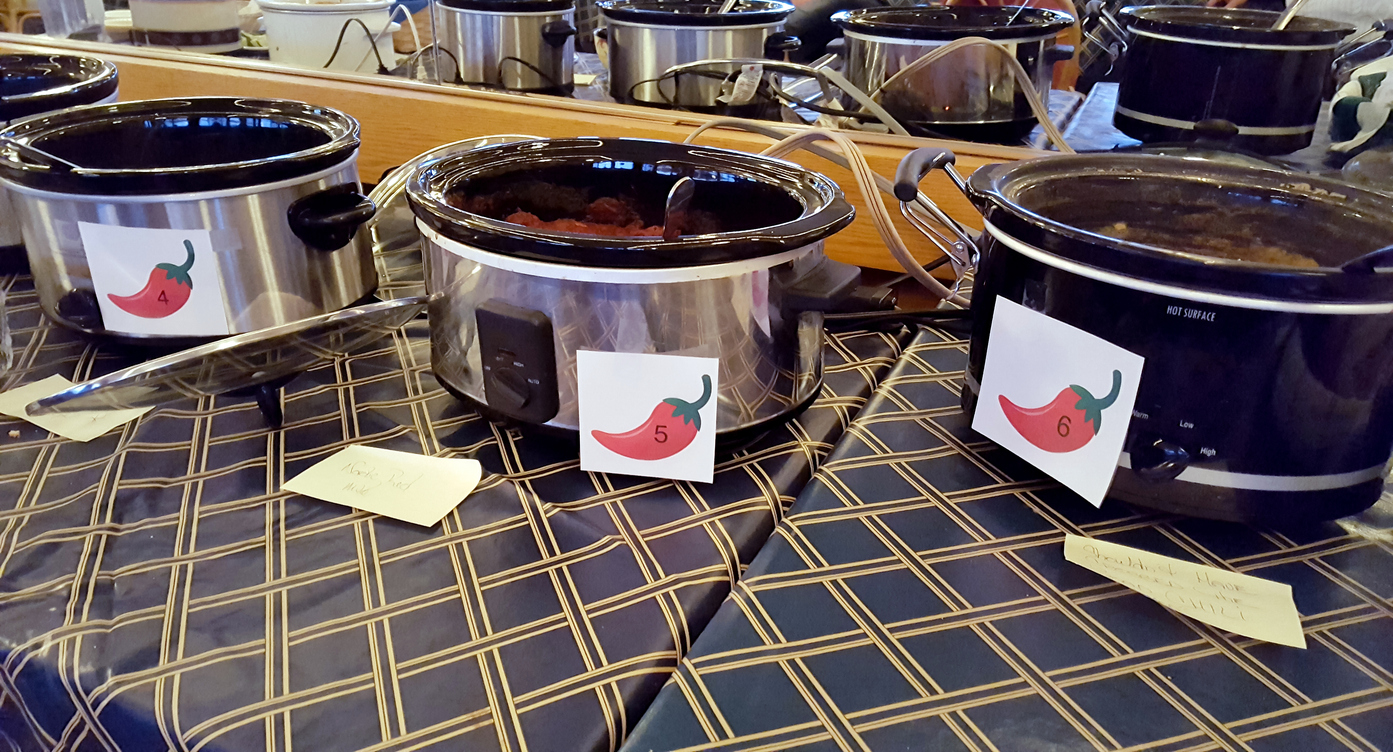
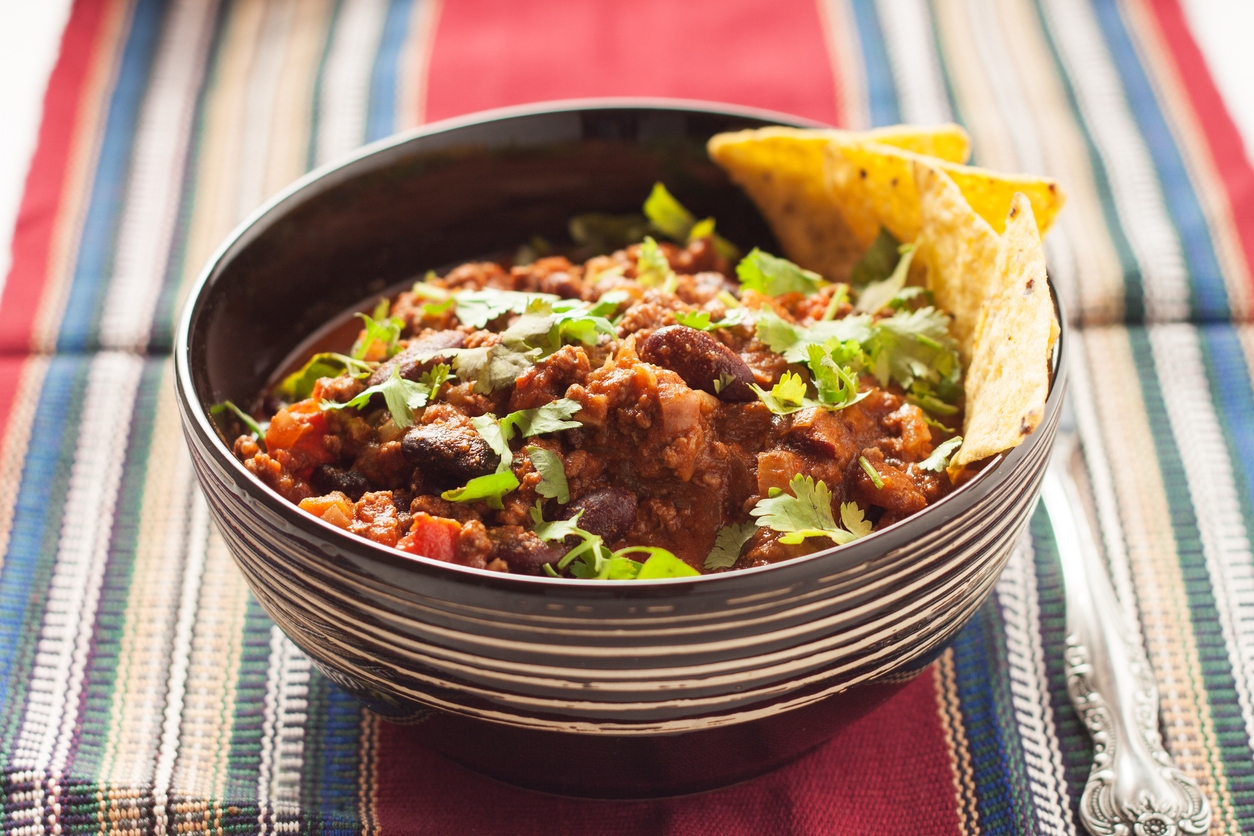
Long before Tex-Mex cuisine became a staple across Dallas–Fort Worth, Indigenous communities in Texas relied on ingredients like corn, beans, squash, and wild plants such as nopales. These ingredients formed the foundation of many dishes still recognized today. Spanish colonization beginning in the 1700s in Texas introduced cattle, wheat, rice, and new cooking methods. These additions shifted diets toward livestock-based meals and flour-based dishes like tortillas. Over time, Tejano communities blended Indigenous and Spanish traditions, creating what would later be recognized as Tex-Mex cuisine. Dishes like chili con carne emerged in the late 1800s as a distinctly Texas creation. The commercialization of chili powder by William Gebhardt in New Braunfels in the 1890s helped spread Tex-Mex flavors across the United States.
How German and Czech Immigrants Influenced Texas Barbecue
View this post on Instagram
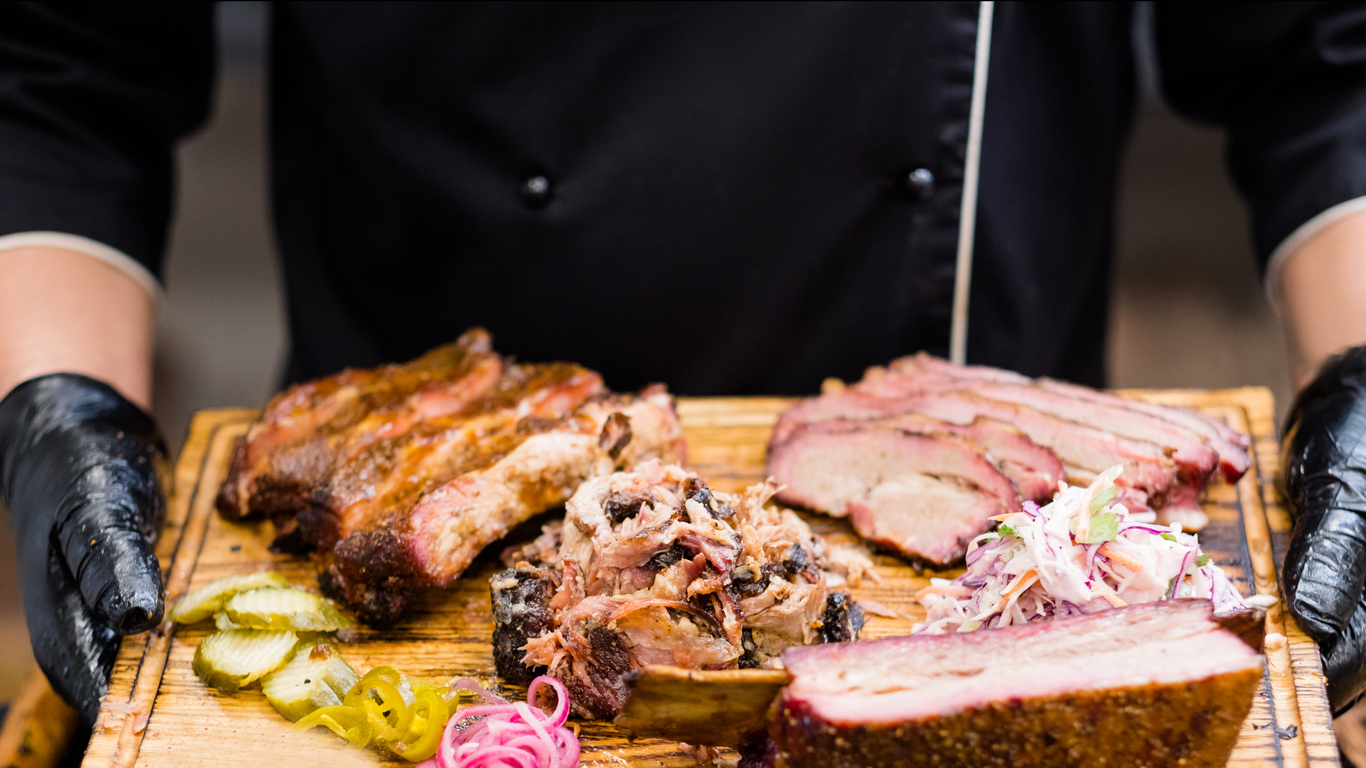
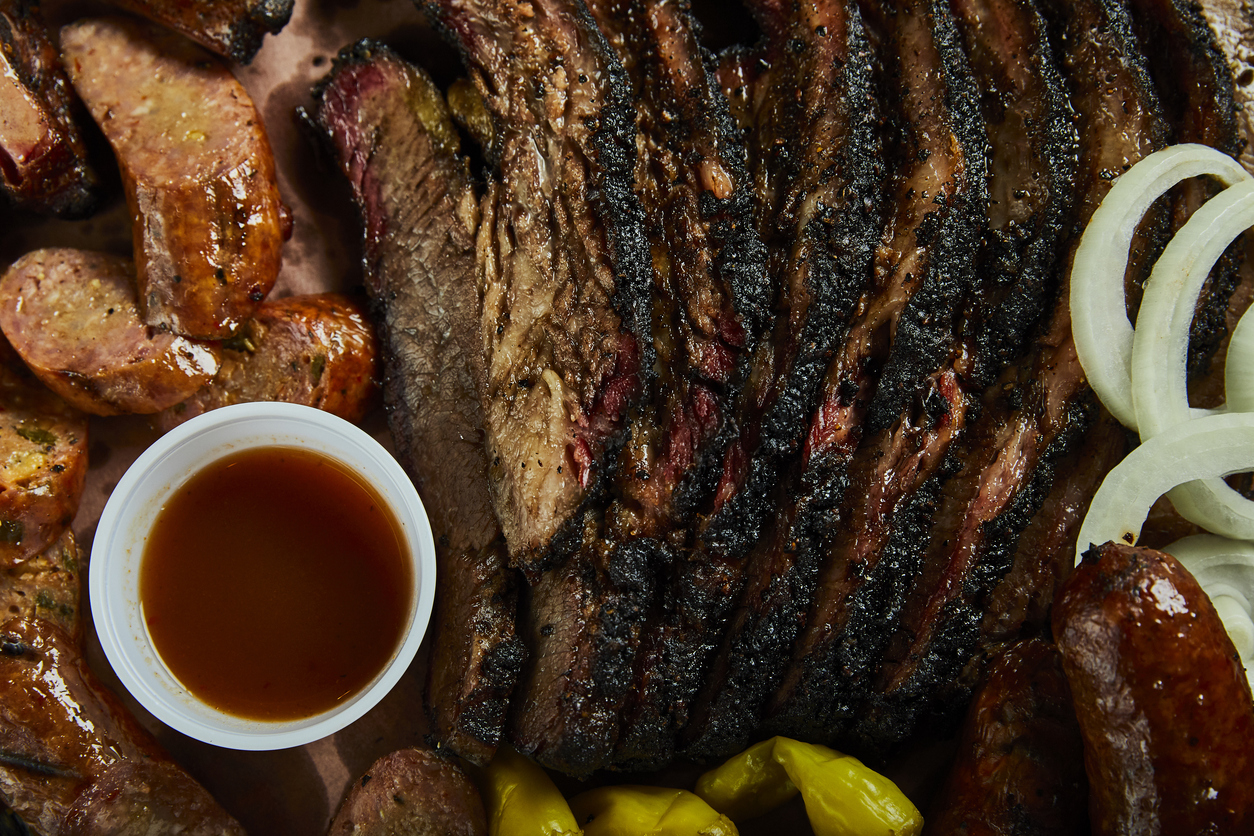
German and Czech immigrants who settled in Texas during the mid-19th century brought meat-smoking and sausage-making traditions that helped define Texas barbecue. While their strongest influence developed in Central Texas towns like Lockhart and Taylor, their techniques spread throughout the state, including North Texas. These immigrants adapted European preservation methods to Texas beef, especially brisket, which required slow smoking over wood to become tender. Their approach emphasized simplicity—salt, pepper, and time—rather than heavy sauces. The traditional meat market style of serving barbecue—ordering by weight and eating on butcher paper—remains a defining feature of Texas barbecue today and is widely seen in DFW barbecue spots.
How Railroad Expansion Turned Dallas into a Culinary Hub
Dallas became a major transportation hub in 1872, when multiple rail lines connected the city to the rest of the country. This expansion allowed for the movement of ingredients, people, and culinary ideas. Railroads brought:
- European immigrants who opened bakeries and butcher shops
- Chinese laborers, some of whom established early restaurants
- Increased access to ingredients not previously available in North Texas
This connectivity helped Dallas grow into a regional food center, where diverse cuisines could develop and spread.
How Vietnamese Communities Shaped Garland and North Dallas Dining
View this post on Instagram
After the Fall of Saigon in 1975, Vietnamese refugees settled across the United States, with many choosing the Dallas–Fort Worth area for its economic opportunities and climate. Cities like Garland, Arlington, and parts of Richardson became centers for Vietnamese communities. Over time, these areas developed thriving restaurant scenes, particularly along corridors such as Walnut Street and Belt Line Road. Pho restaurants and Vietnamese bakeries became staples of the local food culture. These businesses often began as family-run establishments, providing both economic opportunity and cultural preservation.
Modern Immigrant Communities Shaping Today’s DFW Food Scene
Recent immigration continues to redefine Dallas–Fort Worth’s culinary landscape, adding new layers to its already diverse food culture.
- Carrollton (Korean Cuisine): Often considered one of the top Korean dining hubs in Texas, Carrollton features Korean barbecue, bakeries, and cafés that reflect a growing Korean-American population.
- Irving (Indian Cuisine): Irving has become a destination for Indian and South Asian cuisine, offering everything from casual vegetarian eateries to upscale regional dining.
- Plano and Frisco (Pan-Asian and Global Dining): Rapid population growth in North DFW has brought a wide range of international restaurants, from Japanese ramen shops to Chinese hot pot and fusion concepts.
These communities continue the long tradition of migration shaping the region’s evolving food identity.
How Segregation Shaped Dining Access in Dallas
Throughout the early and mid-20th century, segregation laws and practices limited where Black residents could dine in Dallas. Many restaurants either denied service or enforced separation. In the early 1960s, student-led sit-ins and community advocacy helped push for desegregation in public dining spaces. These efforts opened access to restaurants across the city, though economic and geographic divides continued to influence where businesses developed. The legacy of these policies still affects restaurant distribution and food access in different neighborhoods today.
How Development Changed Historic Food Districts
As Dallas expanded, redevelopment projects reshaped many historic neighborhoods. Areas like Little Mexico (near present-day Uptown) once served as cultural and culinary centers for Mexican-American communities. Urban development, highway construction, and rising property values led to the displacement of many long-standing businesses. While new restaurants continue to emerge, some historic food districts have been replaced by mixed-use developments and commercial spaces. This pattern reflects the ongoing balance between growth and preservation in Dallas’s evolving food landscape.
Why Food Access and Neighborhood Divides Still Exist Today
Dallas–Fort Worth remains a diverse region, but economic and geographic divides still influence food access. Some neighborhoods have a high concentration of restaurants and grocery stores, while others have limited options. Factors contributing to this include:
- Historical zoning and development patterns
- Income disparities across neighborhoods
- Transportation access
These differences affect not only where people eat, but also which cuisines thrive in different parts of the metroplex.
Neighborhood Food Guides: Where to Taste DFW’s Culture Today
Exploring Dallas–Fort Worth’s food history becomes even more meaningful when you visit the neighborhoods where these culinary traditions continue to thrive.
- Deep Ellum (Dallas): Known for its live music roots and street art, Deep Ellum blends historic blues culture with modern dining. You’ll find everything from Texas barbecue and craft breweries to late-night taco spots and globally inspired kitchens.
- Bishop Arts District (Dallas): This walkable neighborhood highlights independent restaurants and chef-driven concepts. Italian, Mexican, and modern American cuisine sit side by side, reflecting Dallas’s evolving food identity while maintaining strong ties to local culture.
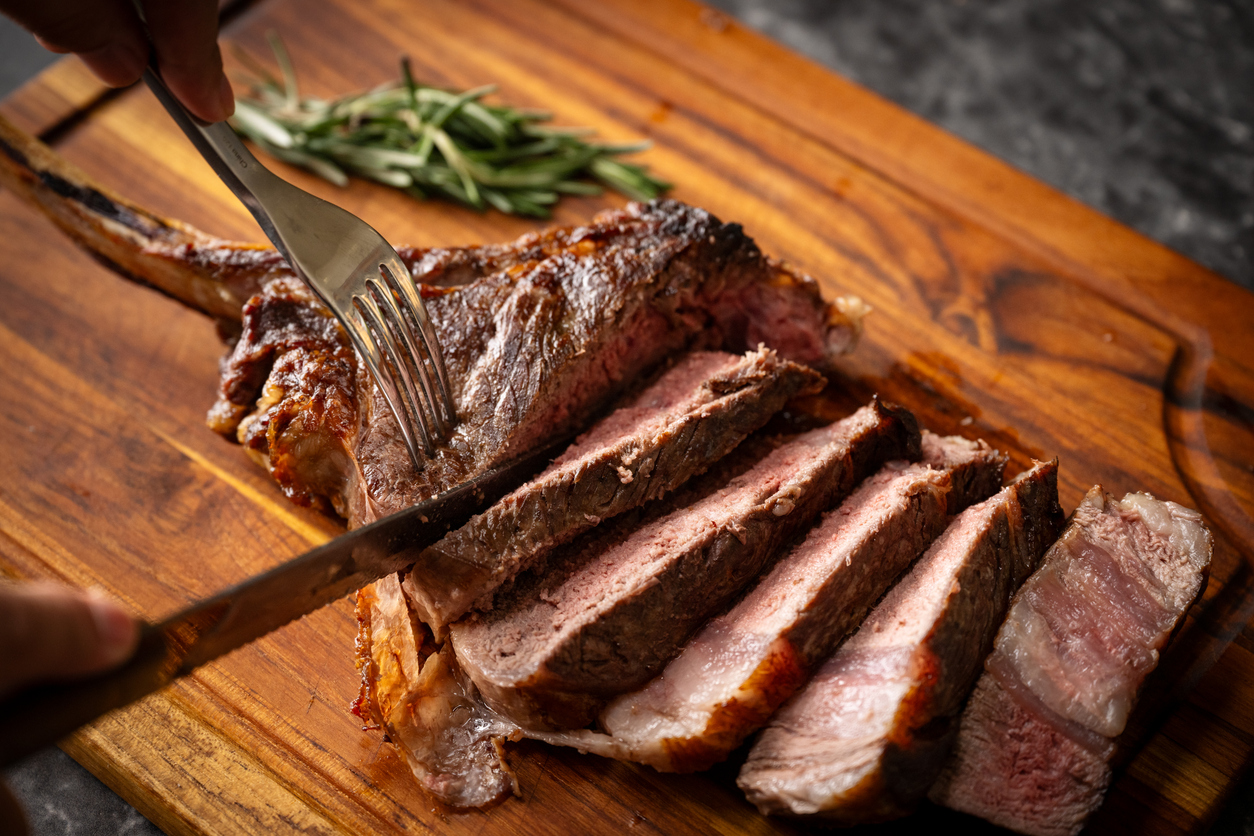
- Fort Worth Stockyards: The Stockyards preserve a more traditional Texas experience, where steakhouses, barbecue joints, and Tex-Mex restaurants reflect the region’s ranching heritage. It’s one of the best places to connect food with Texas history in a single visit.
Each of these areas offers a different lens into how migration and culture shaped what DFW eats today.
Food Markets and Food Halls in Modern DFW
Modern food halls and markets reflect the next phase of Dallas–Fort Worth’s culinary evolution, bringing together multiple cuisines in one place.
- Legacy Hall (Plano): A three-story food hall featuring dozens of vendors, live entertainment, and a wide range of cuisines from barbecue to international street food.
- AT&T Discovery District (Dallas): A downtown destination combining restaurants, cafés, and open public spaces, showcasing both local and national food concepts.
- Local Farmers Markets (Dallas Farmers Market, Cowtown Farmers Market): These markets connect visitors with regional producers, bakers, and food vendors, highlighting seasonal ingredients and local entrepreneurship.
These spaces represent how DFW continues to evolve—blending tradition with innovation in a way that reflects its diverse population.