San Antonio’s Historic Dishes and Cultural Food Traditions
San Antonio's food traditions trace back thousands of years to the indigenous Coahuiltecan peoples, who harvested pecans along the river and ground mesquite pods into flour, creating a culinary foundation that Spanish settlers would later blend with European techniques to shape what is now known as Tex-Mex cuisine.
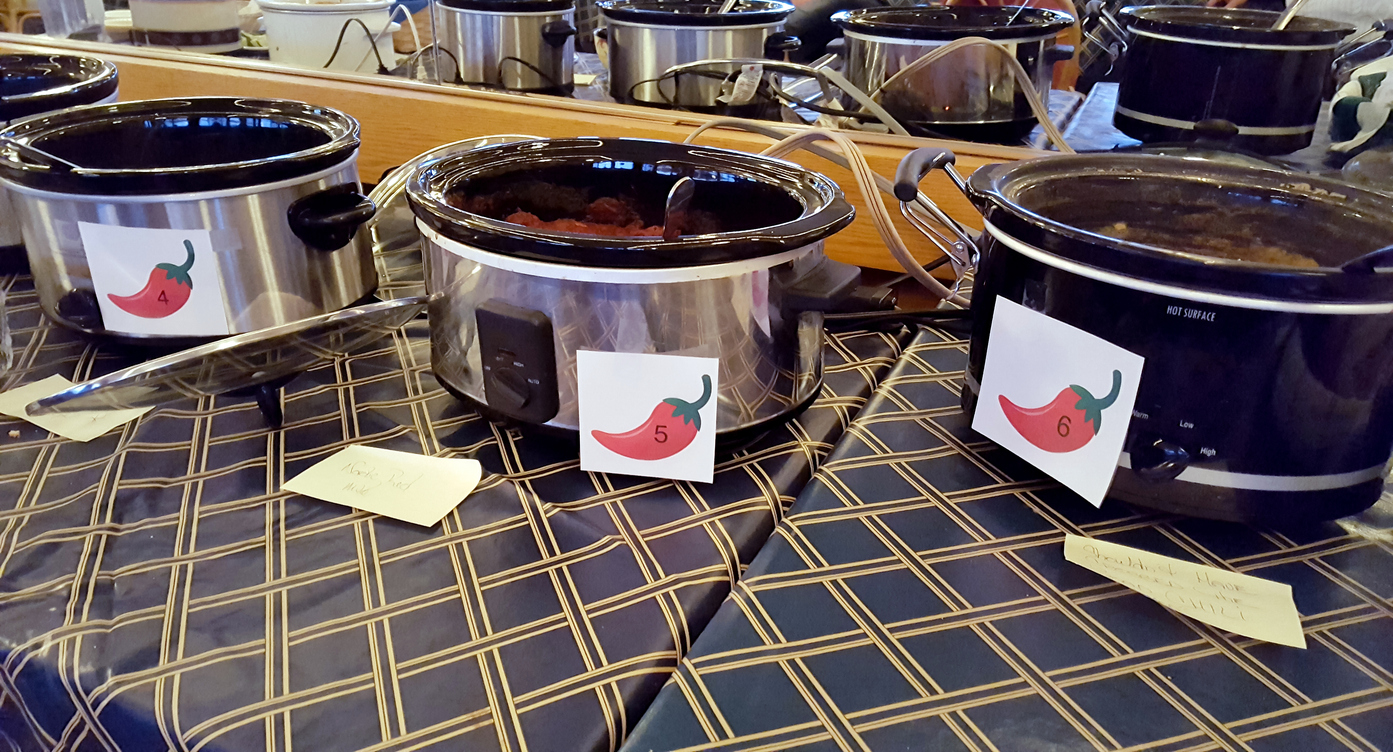
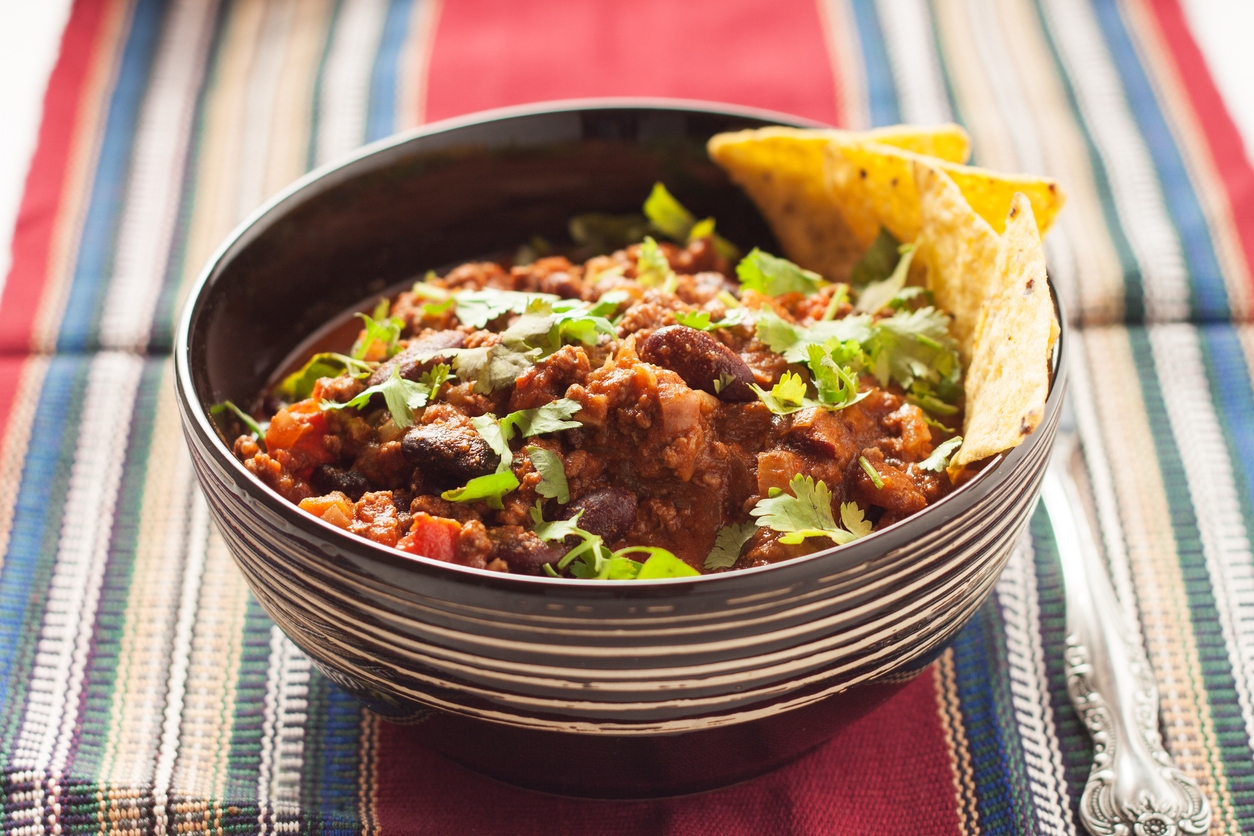
The city's chili queens transformed public plazas into early open-air dining hubs, serving iconic dishes like chili con carne—later named the official state dish of Texas in 1977. German brewing, Mexican barbacoa, and African American food traditions continue shaping today's dining scene, while restaurants like Mi Tierra Café y Panadería preserve recipes passed down through generations.
Indigenous Ingredients That Built San Antonio Cuisine
Long before Spanish settlement, the Coahuiltecan peoples built their way of life around native plants such as mesquite, prickly pear, and wild game. Mesquite pods were dried and ground into flour, while prickly pear fruit and nopales were used for both nutrition and medicinal purposes.
Indigenous communities across the region relied on the “Three Sisters” agricultural system—corn, beans, and squash, which became dietary staples throughout Mesoamerica and South Texas. Cooking methods included earth ovens, where meats and plants were slow-cooked for extended periods, a technique that influenced modern barbacoa preparation.
These ingredients continue to shape modern Tex-Mex cuisine. Mesquite is still widely used for smoking meats, while nopales and chiles remain central to regional dishes. The South Texas environment allowed these native ingredients to thrive and continues to influence the region’s culinary identity.
How Spanish Missions Created the First Tex-Mex Kitchens
When Spanish settlers established Mission San Antonio de Valero (the Alamo) and other missions in the early 1700s, they introduced European cooking techniques, livestock, and crops to the region.
Mission kitchens became places of cultural exchange, where Spanish methods merged with indigenous ingredients like corn, beans, and chiles. Wheat, cattle, and spices from Spain were adapted to local conditions, resulting in early fusion dishes that laid the groundwork for Tex-Mex cuisine.
Irrigation systems built along the San Antonio River supported farming communities, ensuring a steady food supply. These mission communities helped formalize agricultural and cooking practices that still influence the region today.
The Chili Queens Who Fed San Antonio From Plaza Corners
In the late 19th and early 20th centuries, San Antonio’s chili queens turned plazas like Military Plaza into vibrant food centers. These women sold chili con carne, tamales, and other dishes from outdoor stands, attracting locals, soldiers, and travelers.
Their food stalls became cultural gathering spaces where people from different backgrounds shared meals and conversation. The chili queens played a major role in popularizing Tex-Mex cuisine across Texas and beyond.
Their presence declined in the 1930s and early 1940s due to city regulations and public health concerns, but their legacy continues through San Antonio’s thriving Tex-Mex restaurant culture.
How Chili Con Carne Became Texas's Official State Dish
Chili con carne, deeply associated with San Antonio’s food history, gained statewide recognition through organized chili enthusiasts and competitions.
In 1977, the Texas Legislature officially declared chili the state dish, reinforcing its cultural importance. This recognition followed decades of chili cook-offs, including the famous Terlingua International Chili Championship, which began in 1967.
Today, chili cook-offs remain a staple of Texas food culture, celebrating the dish’s roots and continued popularity.
San Antonio Food Festivals and Culinary Traditions
San Antonio’s culinary heritage comes to life through a vibrant calendar of food festivals and cultural celebrations that highlight the city’s diverse influences.
One of the most prominent is Fiesta San Antonio, an annual, citywide celebration dating back to 1891. While originally created to honor the heroes of the Alamo and the Battle of San Jacinto, Fiesta has evolved into an 11-day event featuring parades, live music, and signature food experiences such as A Taste of New Orleans, Fiesta Oyster Bake, and NIOSA (A Night in Old San Antonio)—where visitors can sample regional and international dishes.
Other events, including the San Antonio Cocktail Conference and local farmers market festivals at the Pearl, showcase the city’s evolving food scene while honoring its historic roots. These gatherings reinforce how food remains central to San Antonio’s identity, bringing together tradition, community, and innovation.
Beer, Barbacoa, and Soul Food: Cultural Influences on Local Cooking
San Antonio’s cuisine reflects the blending of multiple traditions:
- German Influence: Immigrants introduced beer brewing, sausages, and baked goods. The Pearl Brewery, established in 1883, became one of the city’s most significant food-related landmarks.
- Mexican and Indigenous Barbacoa: Traditional barbacoa—slow-cooked meat prepared in underground pits—remains a weekend staple, especially on the West Side.
- African American Food Traditions: Soul food and Southern cooking techniques contributed flavors, spices, and preparation styles that influenced local comfort foods.
Together, these traditions created a diverse and evolving culinary identity that defines San Antonio today.
How Railroads Expanded San Antonio’s Food Scene
The arrival of railroads in the late 19th century connected San Antonio to national markets, transforming its food economy.
Rail transport allowed restaurants and vendors to access new ingredients, spices, and preserved goods, expanding beyond locally sourced foods. This helped diversify menus and made San Antonio a more dynamic culinary destination.
The rail system also increased tourism, bringing more visitors to experience the city’s food culture firsthand.
The Combination Plate Innovation That Defined Tex-Mex Dining
San Antonio helped popularize the Tex-Mex combination plate, a format that offered multiple items—such as enchiladas, rice, and beans—on one plate.
Restaurants like the Original Mexican Restaurant (founded in 1899) played a role in shaping this dining style, offering affordable and filling meals to a wide range of customers.
Later, restaurants such as El Fenix in Dallas standardized combination plates by numbering menu items, making ordering easier and improving efficiency. This format became a defining feature of Tex-Mex restaurants across Texas and the United States.
Puffy Tacos, Migas, and Other Historic San Antonio Dishes Still Served Today
San Antonio is known for several distinctive dishes that remain popular today:
- Puffy Tacos: Popularized by Henry’s Puffy Tacos, this dish features a fried, airy tortilla filled with seasoned meat, lettuce, and cheese.
- Migas: A breakfast staple made with scrambled eggs, tortilla strips, cheese, and salsa, reflecting strong Mexican culinary roots.
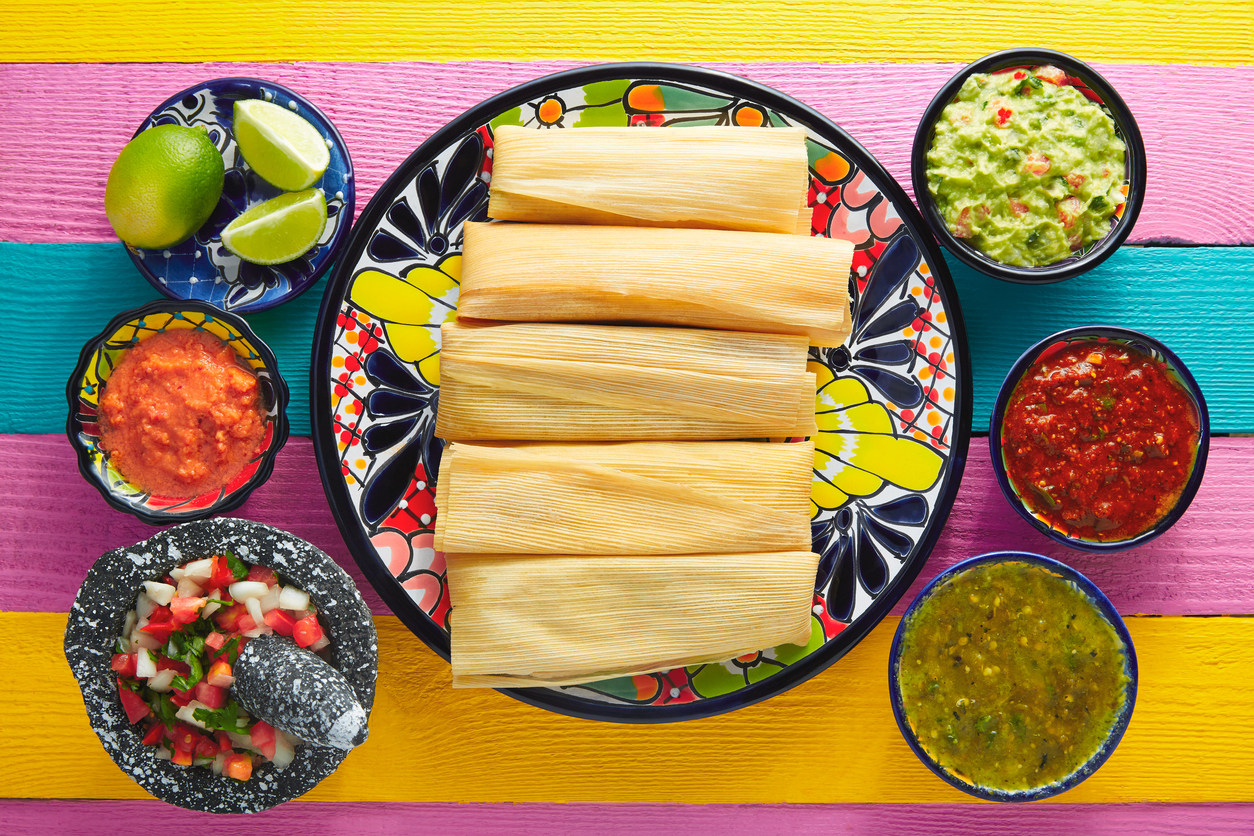
- Tamales and Enchiladas: Longstanding staples that continue to be served across the city.
Market Square (El Mercado) remains one of the largest Mexican markets in the United States, where many of these traditional dishes can still be found.
From Fritos to Fajitas: San Antonio’s Modern Food Contributions
San Antonio has also contributed to modern food innovations:
- Fritos Corn Chips: Created by Charles Elmer Doolin in 1932 in San Antonio, launching what became the Frito Company.
- Pace Picante Sauce: Developed by David Pace in 1947, helping popularize jarred salsa nationwide.
- Bolner’s Fiesta Brand Spices: Founded in 1955, supplying spices and seasonings used in Tex-Mex cooking.
While fajitas are more closely associated with South Texas ranch culture, they became widely popular through restaurants in the region and beyond.
These developments helped position San Antonio as a key player in both traditional and commercial food innovation.
How Historic San Antonio Restaurants Preserve Century-Old Recipes
San Antonio’s historic restaurants continue to preserve culinary traditions through family recipes and generational knowledge.
Mi Tierra Café y Panadería, established in 1941 in Market Square, remains one of the city’s most iconic restaurants, known for its traditional Mexican dishes and bakery items.
Families like the Los Barrios group, led by Chef Diana Barrios Treviño, continue passing down recipes rooted in Northern Mexico while adapting to modern tastes. Cookbooks and community traditions help ensure these recipes remain accessible for future generations.
San Antonio’s designation as a UNESCO Creative City of Gastronomy (2017) highlights the importance of preserving and celebrating its diverse food heritage.
San Antonio as a UNESCO Creative City of Gastronomy
In 2017, San Antonio was designated a UNESCO Creative City of Gastronomy, recognizing its deep-rooted culinary heritage and ongoing contributions to global food culture.
This designation highlights the city’s unique blend of indigenous, Spanish, Mexican, German, and American influences, as well as its commitment to preserving traditional cooking methods and local ingredients.
The recognition also supports initiatives that promote sustainable agriculture, culinary education, and cultural tourism, ensuring that San Antonio’s food traditions continue to thrive for future generations.
As part of this global network, San Antonio collaborates with other international cities to celebrate and advance culinary innovation while staying grounded in its historic identity.