Austin’s Food Culture and How It Evolved
Austin’s food culture reflects a mix of Mexican heritage, Texas traditions, and global influences that have shaped the city over time. From early Tex-Mex restaurants and neighborhood cafes to modern food trucks and chef-driven concepts, Austin’s culinary identity has grown through immigration, entrepreneurship, and changing dining trends.
A Timeline of Austin’s Food Culture Evolution
Austin’s culinary identity developed over time through a combination of cultural influence, migration, and local innovation.
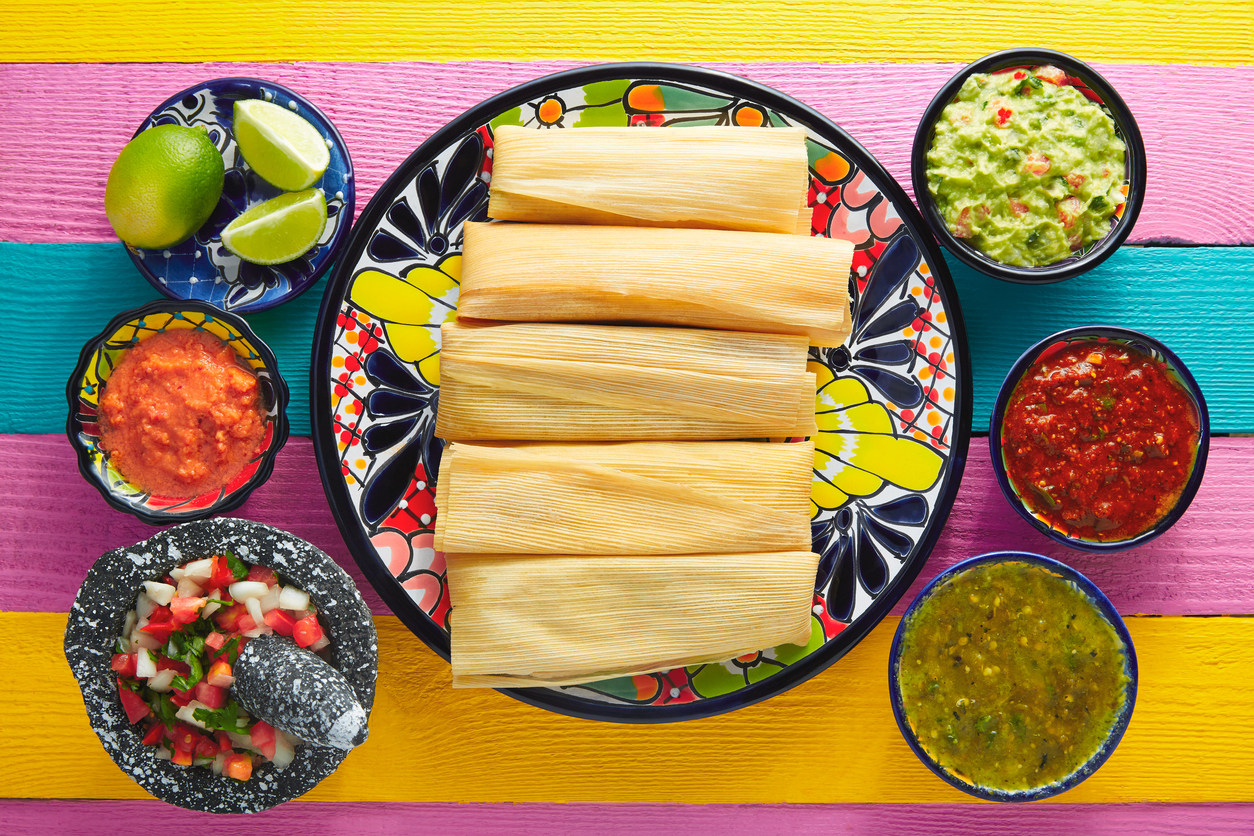
- 1800s–Early 1900s – Mexican and Tejano communities establish foundational dishes like tacos, tamales, and enchiladas across Central Texas
- Mid-1900s – Family-owned Tex-Mex restaurants such as Cisco’s, Joe’s Bakery, and Tamale House East gain popularity
- 1980s–1990s – Breakfast tacos become a daily staple, and casual dining expands across neighborhoods
- 1990s–2000s – Food trucks begin appearing, offering affordable and diverse options
- 2008–2015 – Food truck parks and chef-driven concepts grow rapidly following economic shifts
- 2015–Present – Farm-to-table dining, global cuisine, and culinary innovation reshape Austin’s food scene
This timeline highlights how Austin’s food culture evolved from local traditions to a nationally recognized culinary destination.
How Mexican Influence Shaped Austin’s Food Identity
View this post on Instagram
Austin’s food culture is deeply rooted in Mexican and Mexican-American traditions, which have been part of Central Texas long before the city’s modern growth. Family-owned restaurants such as Cisco’s Restaurant Bakery, Joe’s Bakery & Coffee Shop, and Matt’s El Rancho helped establish staples like tacos, enchiladas, and breakfast plates that remain popular today. These businesses preserved traditional recipes while adapting to local tastes, creating the foundation of what is now recognized as Tex-Mex cuisine. Their influence continues to shape Austin’s dining scene across generations.
The Growth of Tex-Mex and Local Favorites
View this post on Instagram
Tex-Mex cuisine expanded throughout the 20th century, becoming a defining feature of Austin’s food identity. Restaurants like Tamale House East (established in 1958) contributed to the popularity of quick, affordable meals such as tacos and tamales. While large-scale “manufacturing” claims are often overstated, small family operations played a significant role in bringing these foods to a wider audience. Today, dishes like queso, enchiladas, and tacos remain central to Austin’s culinary landscape, reflecting a blend of Mexican traditions and Texas influences.
Notable Austin Restaurants by Era
View this post on Instagram
Austin’s food scene can also be understood through the restaurants that defined each stage of its growth. Historic and Long-Standing Favorites
- Cisco’s Restaurant Bakery – A staple for Tex-Mex breakfast and tacos
- Joe’s Bakery & Coffee Shop – Known for traditional Mexican-American dishes
- Matt’s El Rancho – A long-running Tex-Mex institution
Transitional and Growth Era (1990s–2000s)
- Tamale House East – Known for tacos and simple, traditional offerings
- Threadgill’s (historically) – Represented Southern and comfort food traditions
Modern and Contemporary Austin Dining
- Franklin Barbecue – Elevated Central Texas barbecue to national attention
- Loro – Blends Texas barbecue with Asian influences
- Veracruz All Natural – Popular for fresh, modern taco offerings
These restaurants reflect how Austin has moved from family-run traditions to nationally recognized dining experiences.
What Makes Austin Breakfast Tacos Different?
View this post on Instagram
Breakfast tacos are a signature part of Austin’s daily food culture. Although they originated in South Texas and cities like San Antonio, Austin helped popularize them through widespread availability and variation. Local spots such as Las Manitas (historically) and Tamale House contributed to their rise in the late 20th century. Typical breakfast tacos include eggs, tortillas, and fillings like bacon, potato, or beans, offering a quick and customizable meal. Rather than inventing the concept, Austin became known for making breakfast tacos a citywide staple.
From Taco Trucks to Food Trucks: Austin’s Mobile Dining Evolution
Austin’s food truck scene began growing in the 1990s and early 2000s, driven by demand for affordable, quick meals and lower startup costs for entrepreneurs. What started as individual taco trucks expanded into organized food truck parks and designated areas across the city. Today, Austin has hundreds of food trucks, offering everything from Tex-Mex to international cuisine. These mobile kitchens have become an essential part of the city’s identity, allowing chefs to experiment with new ideas while keeping food accessible.
Austin Food Truck Parks and Popular Locations
Austin’s food truck culture has expanded into organized parks and gathering spaces across the city. Well-known areas include:
- South Congress and South Austin – Clusters of trucks near popular shopping and entertainment areas
- East Austin – A hotspot for creative and diverse food truck concepts
- The Picnic Food Truck Park (Barton Springs Road) – One of the city’s most established food truck parks
- Thicket Food Park (South Austin) – A community-focused space with multiple vendors and seating
These locations make it easy to explore multiple food options in one place, showcasing the variety and accessibility of Austin’s mobile dining scene.
How New Residents Brought Global Flavors to Austin
Austin’s population growth has introduced a wide range of international cuisines to the city. Communities from Vietnam, India, Ethiopia, and other regions have opened restaurants and food businesses, adding diversity to the local food scene. Neighborhoods in North and East Austin, in particular, feature a growing number of globally inspired dining options. Organizations that support small businesses and new residents have helped expand these offerings, contributing to a more diverse and evolving culinary landscape.
Why Austin Chefs Blend Tex-Mex With Farm-to-Table Cooking
Austin’s modern food scene often combines traditional Tex-Mex techniques with farm-to-table practices. Many chefs prioritize locally sourced ingredients, seasonal menus, and sustainable practices. Techniques like nixtamalization—used to prepare corn for tortillas—have gained renewed attention in chef-driven kitchens. This approach reflects a broader trend in Austin dining, where chefs balance cultural traditions with contemporary methods, creating dishes that highlight both heritage and innovation.