Houston’s Culinary Roots: From Port City to Food Capital
Houston’s culinary identity began taking shape after the Houston Ship Channel opened in 1914, creating a 52-mile inland waterway that connected the city to global trade. This access brought international ingredients and, more importantly, waves of immigrants who established the city’s early food traditions. Families from Greece, Germany, Mexico, and beyond opened restaurants in the early 20th century, helping transform Houston into one of the most diverse food cities in the United States.
Why Houston's Port Location Created a Global Food City
Houston’s rise as a culinary destination is closely tied to its role as a major international port. The Port of Houston, one of the busiest in the United States, enabled the steady flow of goods—including food products—from Latin America, Asia, and Europe. Over time, improved refrigeration and distribution systems made it easier for restaurants to access fresh, imported ingredients. Immigrant communities settled throughout the city—not just near the port—bringing authentic cooking techniques and regional flavors. This created a decentralized food culture, where neighborhoods like Chinatown, the East End, and Gulfton became culinary hubs. Today, Houston’s dining scene reflects this global influence, offering everything from Vietnamese pho to Nigerian cuisine, often within a few miles of each other.
The Families Who Opened Houston's First Restaurants (1890s–1940s)
View this post on Instagram
Houston’s early restaurant scene was shaped by immigrant families who introduced new cuisines and dining traditions.
- Christie’s Seafood (1917) – Founded by Greek immigrant Theodore Christie in Houston (not Galveston), it began as a seafood stand and grew into one of the city’s longest-operating restaurants
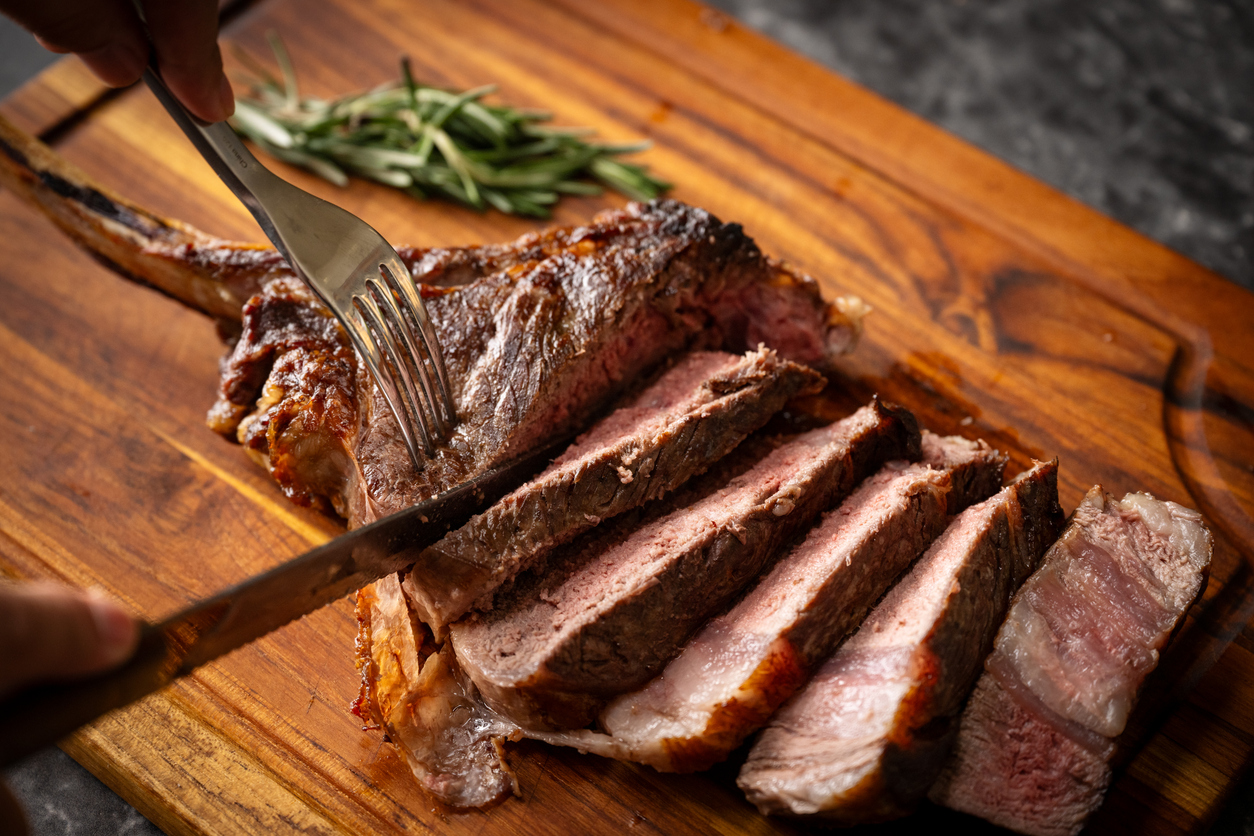
- Brenner’s Steakhouse (1936) – Established by Herman Brenner, bringing European-style steakhouse dining to Houston
- Lankford Grocery & Market (1938) – Started as a grocery store and evolved into a well-known burger spot in Midtown
- Molina’s Cantina (1941) – One of Houston’s oldest Tex-Mex restaurants, helping popularize the cuisine locally
These businesses became community gathering places, laying the groundwork for Houston’s reputation as a food destination. Three Brothers Bakery, founded in 1949 by Holocaust survivors, added Eastern European baking traditions that remain influential today. How Tex-Mex Became Houston's Signature Cuisine
View this post on Instagram
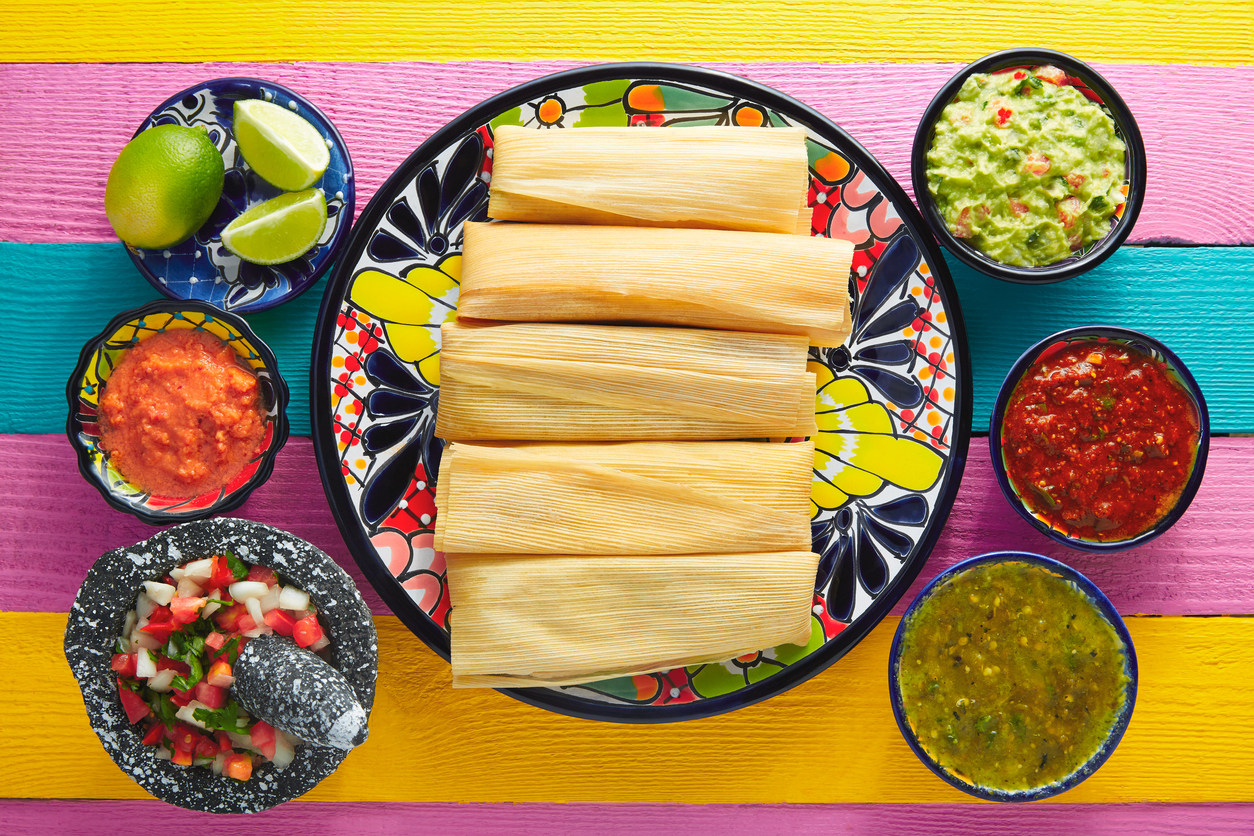
Tex-Mex cuisine developed across Texas through the blending of Mexican, Spanish, and American influences, but Houston played a key role in popularizing it through family-run restaurants. Local establishments like Molina’s Cantina helped introduce dishes such as enchiladas, fajitas, and queso to a broader audience. Houston’s version of Tex-Mex continues to evolve, influenced by regional Mexican cuisines and modern culinary trends, making it both traditional and innovative. Must-Try Dishes That Reflect Houston’s Culinary Roots Houston’s food culture comes alive through signature dishes tied to its history and immigrant communities.
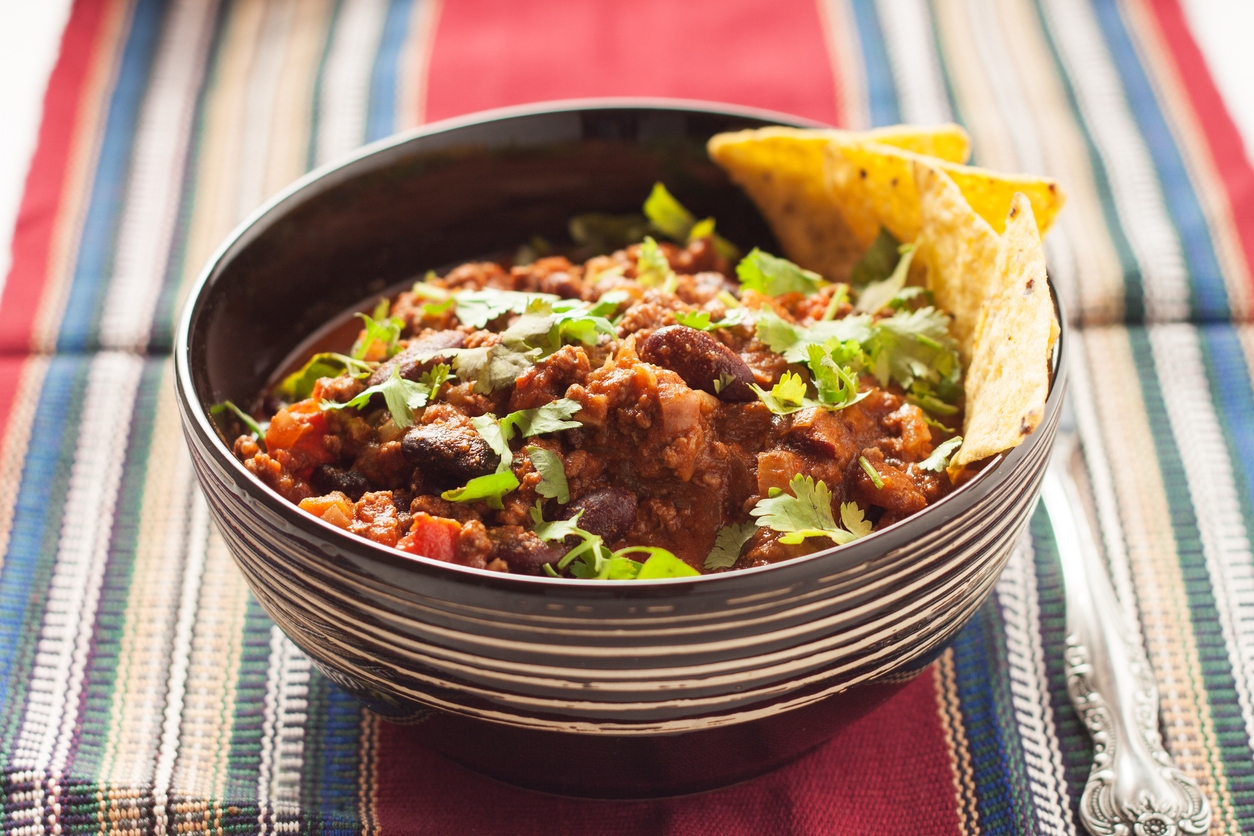
- Tex-Mex classics: enchiladas, fajitas, queso, and chili con carne
- Viet-Cajun specialties: garlic butter crawfish, shrimp with Vietnamese spices, and crawfish pho
- Creole-inspired dishes: gumbo, boudin, and seafood étouffée
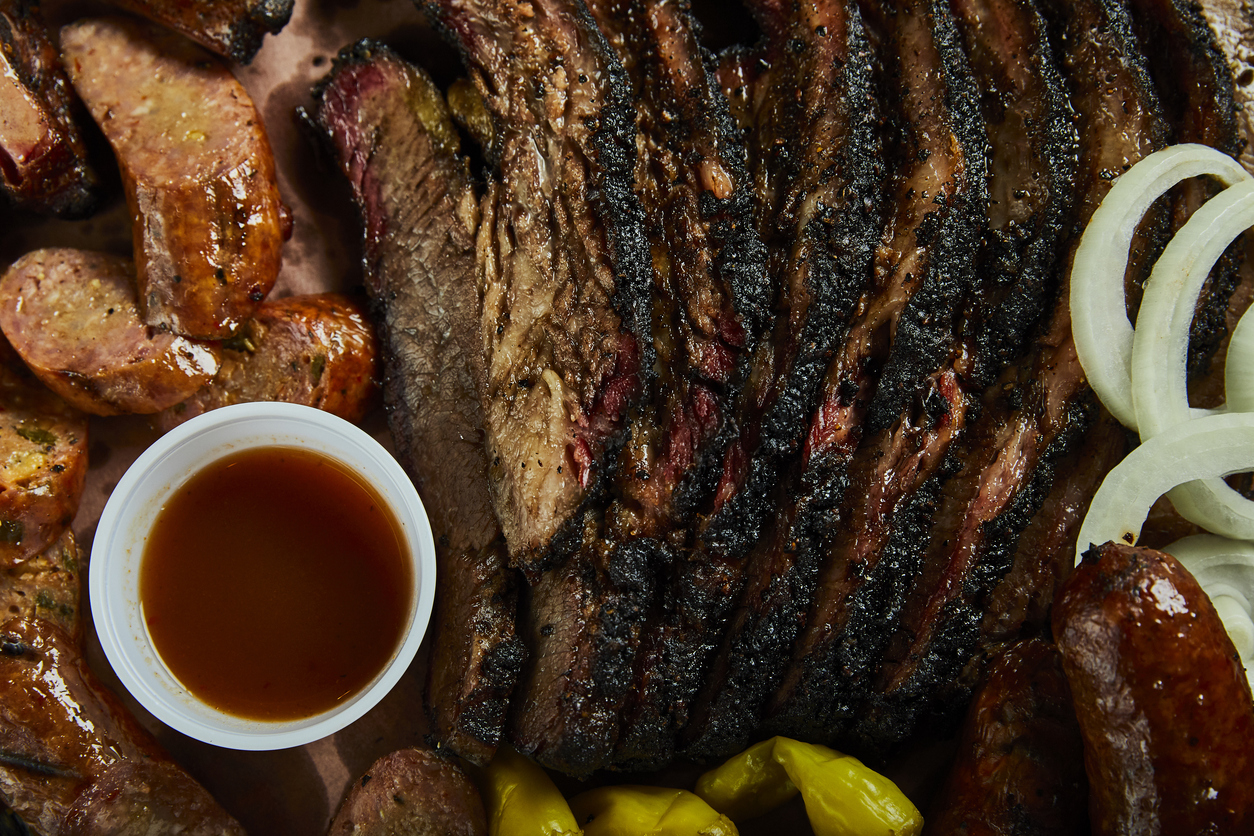
- Barbecue staples: brisket, ribs, and smoked sausage
- Global favorites: hand-pulled noodles, Nigerian jollof rice, and Indian curries
These dishes highlight how Houston blends regional Texas traditions with global influences, creating a food scene that feels both familiar and unique. When Houston Restaurants Became Social Destinations (1950s–1970s)
View this post on Instagram
During the post-war oil boom, Houston’s restaurants evolved into social and business hubs.
- Tony’s (established 1965) became a landmark fine-dining destination for executives and politicians
- The Petroleum Club of Houston (founded 1946) served as a private gathering space for industry leaders
- Restaurants across Westheimer and downtown catered to professionals and families alike
This era marked the transition from simple dining to experience-driven restaurants, where atmosphere and social interaction became just as important as the food. Houston's Oldest Restaurants Still Operating Today
View this post on Instagram
Several historic restaurants continue to operate, offering a direct connection to Houston’s culinary past.
- Christie’s Seafood & Steaks (1917) – One of Houston’s oldest continuously operating restaurants
- Brenner’s Steakhouse (1936) – Known for its classic steakhouse setting along Buffalo Bayou
- Lankford Grocery (1938) – A casual favorite for burgers and comfort food
- Molina’s Cantina (1941) – A cornerstone of Houston’s Tex-Mex tradition
These establishments highlight the city’s ability to preserve tradition while adapting to modern tastes. Houston’s Food Markets and Food Halls Modern Houston dining extends beyond traditional restaurants into vibrant food halls and markets. POST Market (Downtown): Located in a historic post office building, this multi-vendor space offers international cuisine, local concepts, and rooftop views, making it a popular gathering spot. Finn Hall (Downtown): A curated food hall featuring chef-driven concepts, ideal for sampling multiple cuisines in one location. Hong Kong City Mall (Chinatown): A cultural hub where you’ll find Asian bakeries, barbecue stalls, and specialty grocery items, offering a more traditional market experience. These spaces reflect Houston’s modern, communal dining culture, where variety and accessibility define the experience. How Creole and Asian Immigrants Expanded Houston's Flavors Houston’s culinary diversity expanded significantly in the mid-to-late 20th century with new immigrant communities.
- Louisiana Creole influences brought dishes like gumbo, boudin, and étouffée
- Vietnamese immigrants established one of the largest Vietnamese communities in the U.S., especially along Bellaire Boulevard
- This led to innovations like Viet-Cajun crawfish, a now-iconic Houston fusion
Other communities—including Chinese, Indian, Pakistani, and West African populations—added to the city’s global culinary identity, making Houston one of the most diverse dining cities in the country. Why Houston Restaurants Stayed Affordable as the City Grew Houston’s dining scene has long been known for offering high-quality food at relatively accessible prices. Several factors contributed to this:
- Lower commercial rents compared to cities like New York or San Francisco
- Flexible zoning regulations, allowing restaurants to open in a wide range of neighborhoods
- A strong presence of family-owned businesses, often operating with lower overhead
While rising costs have affected the industry in recent years, Houston still offers a wide range of affordable dining options, from food trucks to upscale restaurants.