How Texas Cuisine Reflects the State’s Cultural History
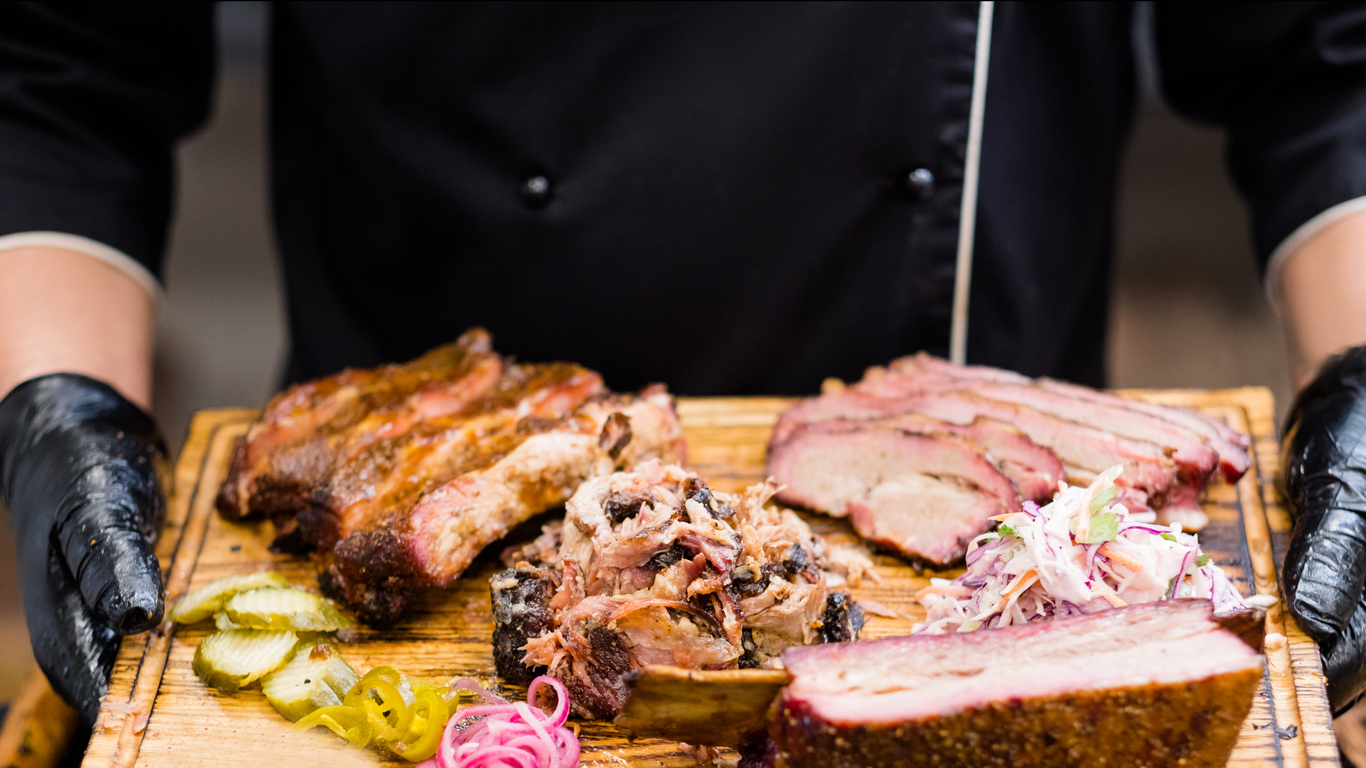
Texas cuisine tells the state’s cultural story through food shaped by centuries of migration, trade, and adaptation. You’ll find Indigenous cooking methods, Spanish and Mexican ingredients, and European preservation techniques layered into dishes that vary widely across regions. From Central Texas barbecue to Gulf Coast seafood and South Texas Tex-Mex, each culinary tradition reflects the people and histories that shaped it.
Indigenous Slow-Cooking That Became Texas Barbecue
Indigenous peoples laid the foundation for Texas barbecue long before European settlers arrived. Tribes such as the Caddo and other Native groups used open-fire cooking and slow-smoking techniques to prepare game meats like deer and turkey.
Early forms of elevated wood frameworks for cooking—often associated with the Caribbean term “barbacoa”—influenced how Spanish explorers described Indigenous methods. Over time, these techniques blended with European livestock and tools.
African American pitmasters later transformed barbecue into a defining Texas tradition. Drawing from Southern pit-cooking methods, they adapted to available ingredients—especially beef brisket, which became central due to its affordability and ability to withstand long smoking times. Barbecue also became closely tied to community gatherings and Juneteenth celebrations, reinforcing its cultural significance.
German and Czech immigrants contributed smoked sausage traditions, while Spanish settlers added preservation techniques. Together, these influences created the layered barbecue culture Texas is known for today.
Cattle, Cumin, and Chiles: Spanish Foundations of Tex-Mex
Spanish colonists introduced key ingredients that still define Texas cuisine, including cattle, rice, onions, garlic, and spices like cumin. These blended with Indigenous staples such as corn and native chiles in mission kitchens and early settlements.
Tejano communities played a major role in shaping what would become Tex-Mex cuisine, combining Mexican culinary traditions with Texas ingredients like beef and yellow cheese. Over time, dishes evolved to reflect local tastes and available resources.
In the late 19th century, William Gebhardt commercialized chili powder in New Braunfels, making Tex-Mex flavors more accessible across the United States. His product helped standardize spice blends and contributed to the national spread of Texas-style dishes.
How Chili Con Carne Became Texas's First Signature Dish
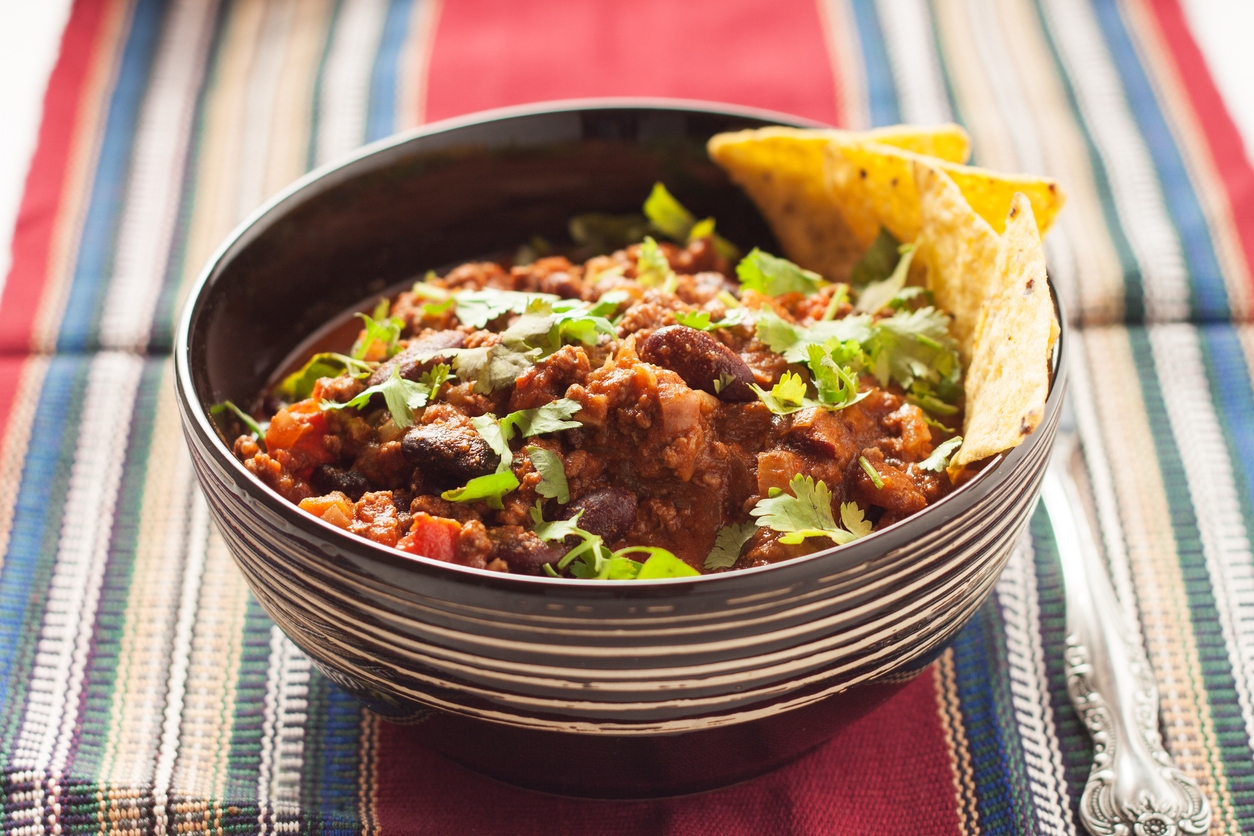
Chili con carne emerged as one of Texas’s earliest recognizable dishes, rooted in both practical cooking and cultural exchange. Spanish settlers introduced beef, while Indigenous communities contributed chile-based flavoring.
San Antonio’s famous “Chili Queens” popularized the dish in the late 1800s, serving it in plazas and markets to locals and visitors. Their influence helped establish chili as a defining part of the city’s identity.
By the late 19th century, chili gained national attention at events like the 1893 World’s Fair in Chicago, where it was introduced to a broader audience. Early versions typically featured meat and chile paste without beans, though variations have evolved over time.
German and Czech Immigrants Who Transformed Central Texas
German and Czech immigrants played a major role in shaping Central Texas food traditions during the 19th century. Settling in areas like Fredericksburg, New Braunfels, and Fayette County, they introduced techniques such as meat curing, sausage making, and baking.
Their influence remains visible today in:
- Smoked sausages like kielbasa-style links
- Meat markets that evolved into barbecue destinations
- Traditional baked goods such as kolaches
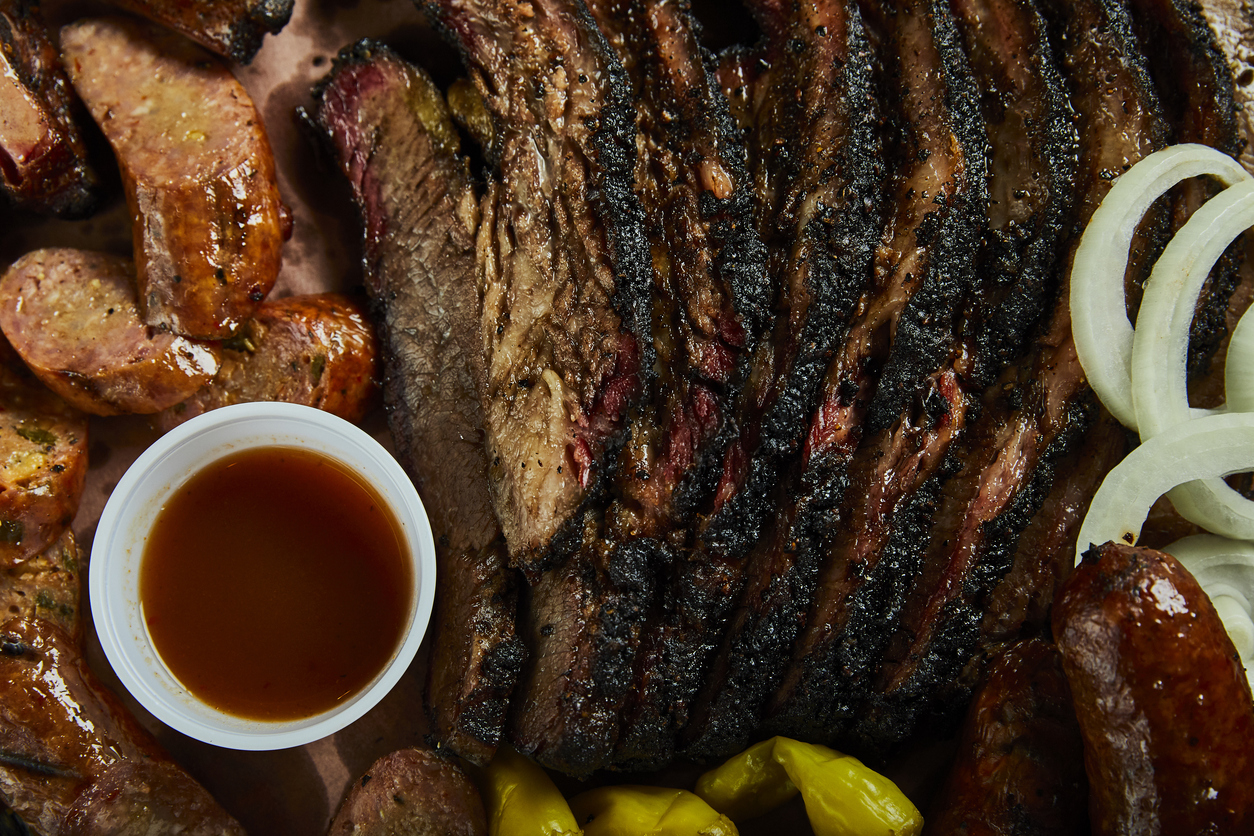
These communities helped establish Central Texas as a hub for butcher-style barbecue, where simple seasoning and high-quality meat remain the focus.
Texas Barbecue as a Cultural Fusion
Texas barbecue reflects a blend of Indigenous, Spanish, European, and African American traditions. Spanish settlers introduced cattle, while European immigrants contributed preservation methods and meat processing techniques.
African American pitmasters brought expertise in slow cooking and seasoning, shaping flavor profiles that define barbecue today. Over time, regional styles developed:
- Central Texas: Focus on brisket, salt, and pepper
- East Texas: Influenced by Southern traditions with pork and sauced meats
- South Texas: Incorporates barbacoa and Mexican flavors
- West Texas: Uses direct heat grilling methods
This diversity highlights how barbecue evolved through cultural exchange rather than a single origin.
Modern Chefs Carrying Texas Food Traditions Forward
Today’s Texas cuisine continues to evolve through chefs who reinterpret traditional influences while honoring their roots. In Houston, chefs recognized by the prestigious James Beard Awards—often considered the highest honor in American dining—highlight the city’s role in shaping modern Texas food culture.
Chef Benchawan Jabthong Painter of Street to Kitchen blends Thai street food with Texas ingredients, earning the Best Chef: Texas award in 2023.
At ChòpnBlọk, chef Ope Amosu brings West African cuisine into the Texas spotlight, reflecting the state’s expanding cultural diversity and earning national recognition, including New York Times and Michelin mentions.
Restaurants like JŪN in Houston’s Heights neighborhood combine Asian and Texan influences, demonstrating how younger chefs are redefining what “Texas cuisine” can mean today.
These modern chefs continue the tradition of cultural blending that has defined Texas food for generations—transforming heritage dishes into globally recognized cuisine.
How Cajun and Gulf Coast Influences Shaped East Texas
The oil boom in Southeast Texas—especially after the Spindletop discovery in 1901—brought workers from Louisiana into cities like Beaumont and Port Arthur. These communities introduced Cajun and Creole dishes that became part of the region’s food identity.
Popular contributions include:
- Gumbo and étouffée
- Crawfish boils
- Boudin sausage
Today, Gulf Coast cuisine blends these influences with local seafood, creating a distinctive regional flavor profile found throughout Southeast Texas.
Why Texas Cuisine Changes Every 100 Miles
Texas cuisine varies dramatically by region due to geography, migration patterns, and available ingredients. Traveling across the state reveals distinct culinary identities shaped by local history.
You’ll notice:
- Hill Country: German and Czech sausage traditions
- East Texas: Southern-style barbecue and comfort foods
- South Texas: Tex-Mex and barbacoa
- Gulf Coast: Seafood-based dishes like shrimp and ceviche
Even cooking methods differ, from mesquite grilling in South Texas to oak-smoked brisket in Central Texas. These regional differences reflect how diverse communities adapted their traditions to local environments.
Must-Try Dishes by Region for Visitors
Traveling across Texas offers a culinary experience shaped by geography and history. Each region highlights specific dishes tied to its cultural roots:
- Central Texas: Smoked brisket, beef ribs, and jalapeño sausage from traditional meat markets
- South Texas: Barbacoa, carne guisada, and breakfast tacos rooted in Tex-Mex traditions
- East Texas: Pulled pork, fried catfish, and Southern-style sides like collard greens
- Gulf Coast: Shrimp ceviche, grilled redfish, and Cajun-influenced gumbo
- Houston: Viet-Cajun crawfish, pho, and globally inspired fusion dishes
Sampling these regional specialties offers a direct connection to the communities and histories that shaped them.