
Interesting Facts About Pet-Friendly Travel
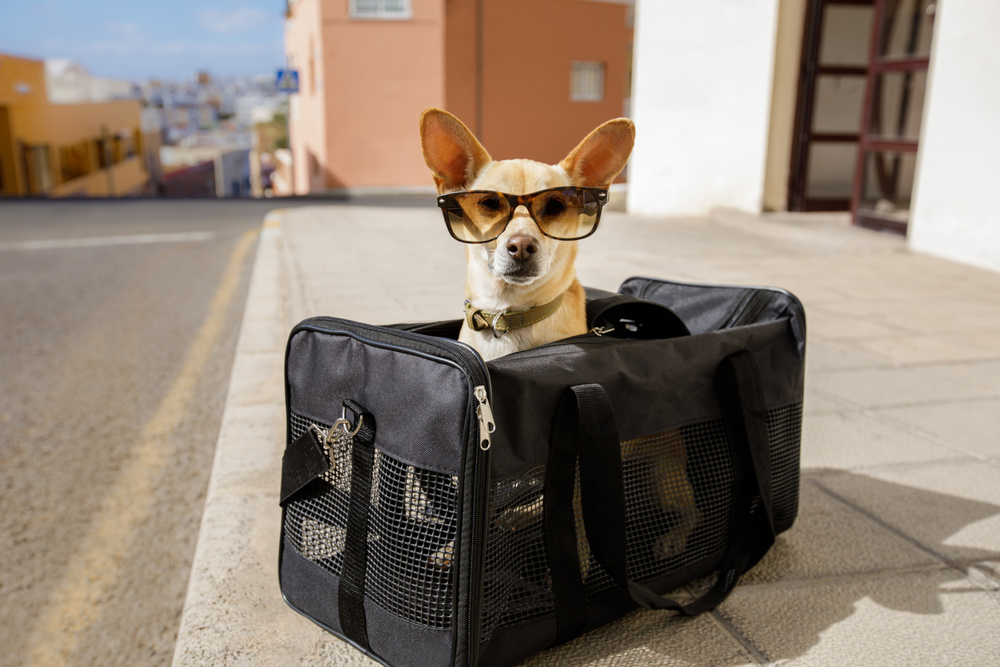
Pet-friendly travel has grown far beyond convenience—it now reflects how people organize their lives and relationships. What once required special arrangements has become an expected part of planning a trip, shaped by shifting attitudes toward pets and shared experiences. The rise of this behavior isn’t just about access—it’s about cultural change.
Today, pet-friendly travel sits at the intersection of lifestyle and identity. It reflects how people define companionship, how they spend their time, and how they present their lives. These patterns make it more than a travel preference—they position it as part of a broader pop culture shift where personal values are expressed through everyday actions.
How Many Americans Travel With Their Pets?
Pet travel is no longer a niche activity—it’s part of how millions of Americans move through everyday life. The sheer number of pet-owning households has created a wide base of people who naturally include animals in their routines, whether for short trips or longer vacations. As pets become more integrated into daily living, excluding them from travel begins to feel less practical
This shift is reinforced by consistent behavior over time. Frequent road trips, repeated travel patterns, and growing familiarity with pet-related logistics all contribute to normalization. What once required extra effort—finding accommodations, planning routes, or managing schedules—gradually becomes second nature. As these actions are repeated, they form habits, and those habits evolve into expectations.
Culturally, this visibility plays a major role in accelerating adoption. Seeing others travel with pets—whether in person or through media—removes hesitation and builds a sense of familiarity. It signals that this behavior is not only possible but widely accepted, reinforcing the idea that pets belong in shared experiences rather than being left behind.
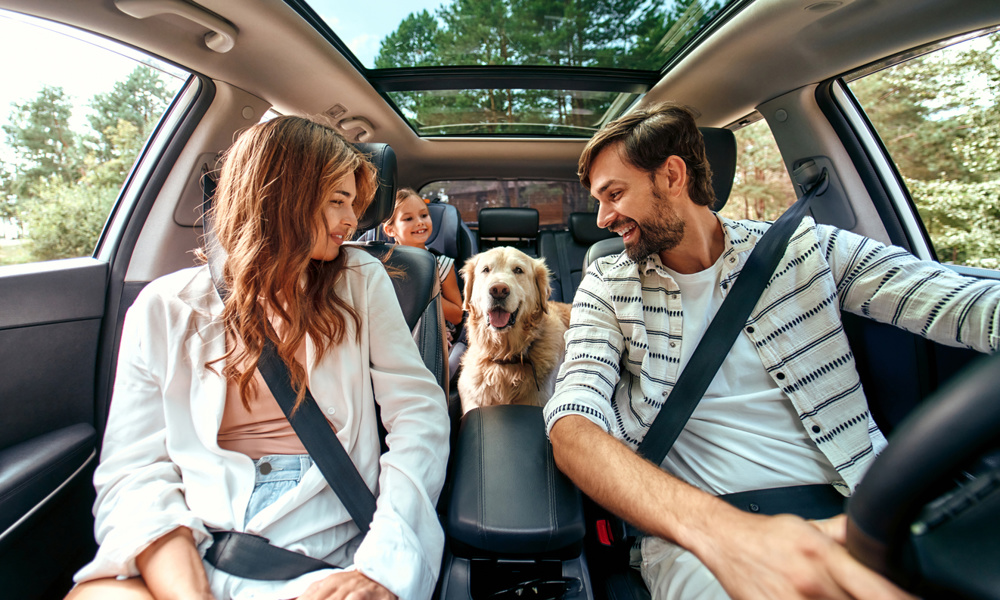
The Best Dog-Friendly National Parks in the US
National parks have become key spaces where pet-friendly travel is both experienced and represented. These environments combine accessibility with strong visual appeal, making them ideal for real-world exploration while also fitting seamlessly into digital storytelling. Trails, coastlines, forests, and open landscapes provide natural settings where pets can be included in activities without major adjustments.
These locations also shape expectations around what travel should look like. When people consistently see pets integrated into outdoor experiences, it normalizes the idea that inclusion is not only possible but preferable. National parks become more than destinations—they act as reference points for how environments can support lifestyle preferences.
At the same time, these experiences contribute to a broader cultural image tied to outdoor living. Adventures with pets in natural settings are often associated with freedom, health, and emotional connection, creating a strong narrative around what modern travel represents. This association makes pet-inclusive outdoor experiences both aspirational and widely imitated.
Top Cities and Destinations for Traveling with Pets
Certain cities stand out because they successfully align infrastructure with behavior. Parks, public spaces, transportation systems, and pet-friendly businesses work together to create environments where pets are naturally included in daily life. Instead of requiring constant planning or workaround solutions, these places allow pets to move through the city as part of the routine.
These cities also function as cultural benchmarks for what modern, lifestyle-oriented travel can look like. They demonstrate how systems evolve when they respond directly to people’s needs, reinforcing the expectation that travel should reflect personal routines rather than disrupt them. Visitors experience this level of integration firsthand, and that experience often reshapes their expectations.
Over time, these patterns extend beyond individual locations and begin to influence the broader travel landscape. As more travelers encounter pet-friendly cities, their expectations shift globally, encouraging other destinations to adapt in order to remain competitive. What was once considered a bonus feature—pet-friendly dining, accessible public areas, or flexible policies—gradually becomes a baseline standard.
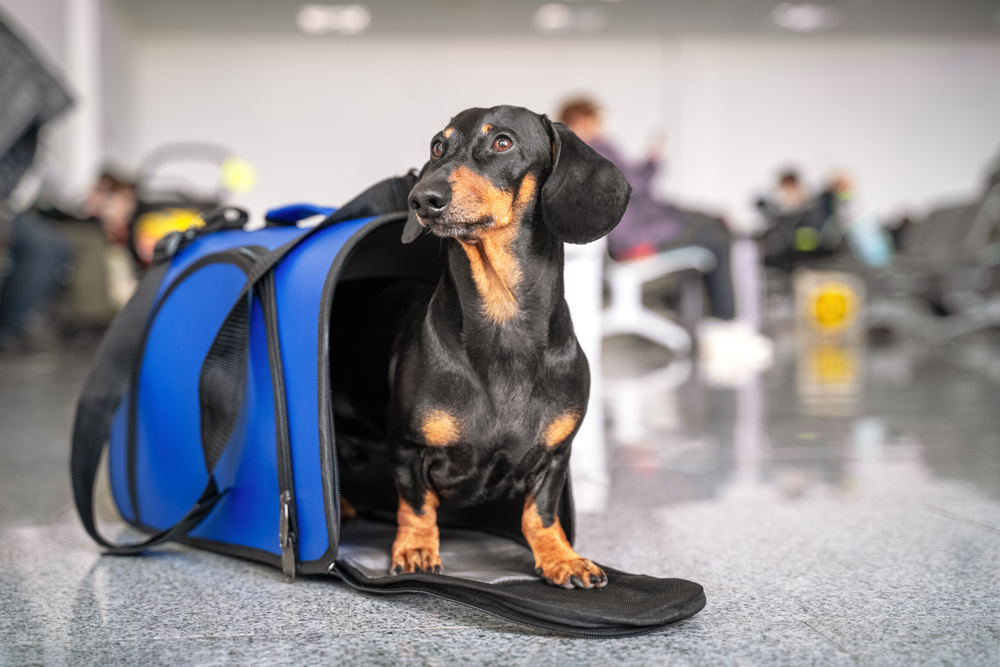
Unique Pet-Friendly Experiences Worth Booking
Pet-friendly travel has expanded beyond basic accommodation into curated experiences that actively include pets. Activities that integrate animals—whether outdoor adventures or structured programs—transform travel into something shared rather than parallel. This shift emphasizes participation instead of separation.
These experiences also reflect changing priorities. Travel is no longer just about reaching a destination—it’s about how experiences are structured and who gets to participate in them. Including pets adds depth, turning ordinary activities into meaningful interactions that strengthen emotional connection.
Culturally, this evolution is significant. It positions pet travel within a broader shift toward experience-driven lifestyles, where value is placed on shared moments rather than isolated activities. This makes pet-inclusive experiences more than optional—they become part of what defines a fulfilling trip.
Step deeper into the world of pets and travel with more fascinating facts and trivia.
Why Pet-Friendly Hotels Are So Easy to Find Now
Pet-friendly travel has expanded beyond basic accommodation into curated experiences that actively include pets as part of the activity itself. Instead of simply allowing animals to be present, these experiences are designed with participation in mind—whether through outdoor adventures, guided tours, or structured programs that accommodate both owner and pet.
These developments reflect changing priorities in how people approach travel. The focus has moved away from simply reaching a destination toward shaping how experiences are lived and who gets to be part of them. Including pets adds an additional layer of interaction, turning routine activities into more meaningful and engaging moments.
Culturally, this evolution signals a broader shift toward experience-driven lifestyles. Value is increasingly placed on shared moments and emotional connection rather than isolated or individual activities. Pet-inclusive experiences align with this mindset by reinforcing the idea that meaningful travel involves participation, connection, and continuity with everyday life.
Pet Fees, Policies, and Amenities to Check Before Booking
As pet-friendly travel expands, policies and amenities have become more structured and standardized. Clear guidelines around fees, size limits, and services reduce uncertainty, allowing travelers to plan with confidence. Instead of dealing with inconsistent rules, people can now compare accommodations more easily, making decisions based on transparency rather than guesswork.
At the same time, these details reflect broader cultural expectations. Travelers are no longer satisfied with places that simply allow pets—they expect environments that actively support their routines. Amenities like designated pet areas, bedding, and accessible outdoor spaces signal that pets are considered in the overall design.
This progression highlights how behavior shapes systems over time. As more people travel with pets, businesses refine their policies to meet growing expectations, creating more consistent and integrated experiences. What begins as a response to demand gradually becomes standard practice, reinforcing the idea that pets are a natural part of travel.
Why Pets Make Trips More Social and Memorable
Traveling with pets changes how people interact with their surroundings in subtle but consistent ways. Animals naturally draw attention, whether in parks, cafes, or public spaces, creating easy openings for conversation with strangers. These small interactions make travel feel less isolated and more connected, turning everyday moments into shared experiences.
These interactions also influence how memories are formed. Experiences involving pets often feel more personal because they are shared, not just observed. Watching a dog explore a new environment, react to unfamiliar sights, or engage with other people adds an emotional layer that goes beyond typical travel activities.
Over time, these patterns reinforce behavior and shape future choices. When travel becomes more engaging, social, and emotionally meaningful, people are more likely to repeat it in the same way. This repetition strengthens the appeal of pet-friendly travel, gradually turning it into a habit rather than an occasional decision.
Smart Tips for Planning a Pet-Friendly Vacation
Planning plays a key role in making pet-friendly travel sustainable over time. Thoughtful preparation helps reduce uncertainty, ensuring that both the traveler and the pet can move through the experience comfortably. This includes anticipating needs like rest stops, familiar routines, and suitable environments, which helps prevent disruptions during the trip.
These routines also reflect a broader shift toward intentional travel. Instead of adjusting on the fly, people design their trips in advance to align with their lifestyle, including how their pets are integrated into daily routines. This approach prioritizes compatibility over convenience, allowing travel to feel like a natural extension of everyday life.
As these habits become more common, they reinforce the normalization of pet-friendly travel. Planning is no longer seen as an extra step—it becomes part of how people structure their overall travel experience. Over time, this mindset shifts expectations, making preparation a standard practice rather than a special consideration.
How to Keep Your Pet Safe on the Road
Safety practices are essential to maintaining the consistency and sustainability of pet-friendly travel. Proper preparation ensures that travel remains comfortable, predictable, and secure for both the traveler and the pet. This includes anticipating needs such as rest breaks, hydration, and minimizing stress during long journeys.
These measures also reflect a growing sense of responsibility among pet owners. As pets become more integrated into travel, expectations around their care increase, both socially and practically. Travelers are more aware of the need to ensure proper restraint, controlled environments, and attention to their pet’s well-being.
Over time, these practices become routine rather than reactive. Safety is no longer something travelers figure out along the way—it becomes embedded in how trips are planned and executed. This normalization supports the broader growth of pet-friendly travel, creating a stable system where inclusion is both practical and expected.
Why Pet-Friendly Travel Reflects Changing Definitions of Family
The rise of pet-friendly travel reflects evolving definitions of what family means in contemporary life. Pets are increasingly viewed as central members of the household, influencing decisions that extend beyond daily routines into major activities like travel. This shift redefines how experiences are shared, moving away from traditional boundaries.
Travel becomes an extension of these relationships rather than a separate experience. Instead of leaving pets behind, people integrate them into trips, reinforcing the idea that shared moments are more meaningful when everyone is included. This approach emphasizes connection over convenience, aligning travel with how people structure their lives at home.
As this perspective becomes more widespread, it shapes broader cultural expectations. Pet-friendly travel is no longer seen as an accommodation—it becomes a reflection of how people understand belonging and companionship. This shift highlights a deeper transformation in how relationships are defined and experienced.
How the Travel Industry Is Reshaping Itself Around Pets
The travel industry is actively restructuring to accommodate pet-inclusive lifestyles. Services are being redesigned to include pets at every stage, from booking systems to in-destination experiences. This transformation reflects a broader movement toward personalization, where travel is tailored to fit individual needs and routines.
Businesses that adapt to this shift gain a competitive advantage by aligning with modern expectations. Clear policies, integrated amenities, and coordinated services make pet-inclusive travel more seamless and appealing. In contrast, businesses that fail to adjust risk becoming less relevant in a market that increasingly prioritizes lifestyle compatibility.
Over time, this integration reinforces the trend itself. What was once considered an added feature gradually becomes a standard expectation across the industry. This progression demonstrates how deeply pet travel is embedded in modern culture, influencing not just behavior but the structure of the travel experience itself.
Conclusion
Pet-friendly travel is no longer just a practical choice—it reflects how modern life is organized and experienced. As pets become more integrated into daily routines, travel naturally evolves to include them, aligning with broader cultural values around connection and shared experience. This shift is not isolated; it is reinforced through visibility, behavior, and changing social norms.
Pet-friendly travel continues to grow as an ongoing cultural shift rather than a temporary trend. It reflects how people prioritize relationships, design their lifestyles, and communicate identity in a visible way. In this sense, it has become a lasting part of pop culture, grounded in everyday behavior and reinforced through shared experience.