Tracing San Antonio’s Music Roots Through Historic Venues
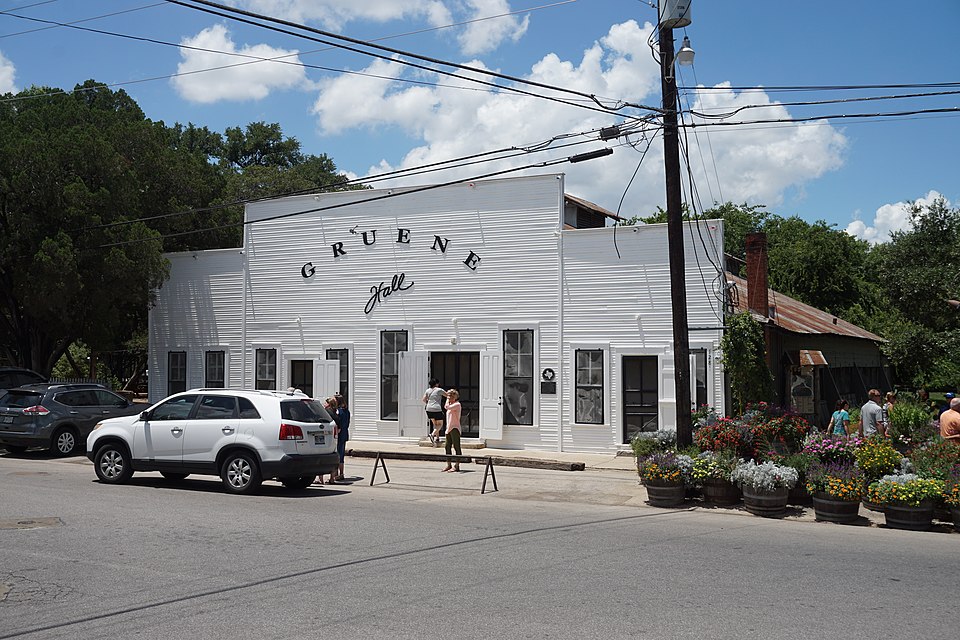
Image: Michael Barera, Gruene July 2017 1 (Gruene Hall), CC BY-SA 4.0
You'll find San Antonio’s soul embedded in the walls of its historic music venues. From the weathered dance floor of Gruene Hall to the ornate splendor of the Aztec Theatre, each location tells a chapter of the region’s diverse musical evolution. These architectural treasures don’t just showcase performances—they preserve cultural memories and continue to shape the contemporary sound of South Texas. What hidden stories might these transformed landmarks reveal about the musicians who’ve passed through their doors?
Dance Halls to Opera Houses: The Evolution of San Antonio's Historic Venues
From humble dance halls to grand downtown theaters, San Antonio’s venues tell the story of a city defined by cultural diversity and musical innovation. You’ll find the roots of this legacy in places like Cowboys Dancehall, where country and Tejano music flourished alongside community gatherings. Neighborhood icehouses and cafés created spaces where local bands developed their sound despite open-air layouts and shoestring infrastructure. These establishments served varied audiences, welcoming working-class patrons and multiple subcultures by the 1980s. The historic Keyhole Club stands as a pioneering example, operating as one of San Antonio’s first racially integrated nightclubs during the Jim Crow era. Meanwhile, prestigious venues like the Majestic Theatre (opened 1929) anchored downtown’s cultural scene, hosting everything from big-band and opera tours to popular acts. This evolution culminated in transformations like the Municipal Auditorium giving way to the Tobin Center for the Performing Arts (2014), preserving San Antonio’s rich musical heritage for future generations.Gruene Hall and Aztec Theatre: Cornerstones of South Texas Musical Heritage
View this post on Instagram
Pillars of South Texas musical culture, Gruene Hall and the Aztec Theatre stand as living monuments to the region’s performance heritage. When you visit Gruene Hall (in the Gruene Historic District of New Braunfels), you’re stepping into Texas’s oldest continuously operating dance hall, built in 1878 by Henry Gruene. Its roughly 6,000-square-foot, tin-roofed hall—with sliding side panels for ventilation—has remained largely unchanged for nearly 150 years. Gruene’s lineage includes legends like Willie Nelson, George Strait, and Lyle Lovett, while continuing to launch emerging Texas talent. Pat Molak’s 1975 purchase saved this cultural landmark from decay, preserving its vibrant performance atmosphere. Visitors across generations have created core memories at this iconic venue, from engagements to family celebrations. Today, Gruene Hall connects its German-farming roots to contemporary Texas music, maintaining authentic character through minimal alterations and vintage advertising displays. Downtown, the Aztec Theatre (1926) embodies ornate atmospheric design with Mesoamerican-inspired interiors. Its careful restoration brought modern production to a historic setting, allowing touring acts and local showcases to thrive inside a spectacularly preserved palace.
Reviving the Past: How Historic Venues Shape Today's Music Scene
View this post on Instagram
While Gruene Hall and the Aztec Theatre anchor musical heritage, they represent just part of a broader movement breathing new life into historic performance spaces. You’ll find venues like the Tobin Center and Stable Hall blending architectural character with modern acoustics, creating settings for diverse expressions from Tejano to jazz. These revitalized spaces do more than preserve history—they’re economic engines driving neighborhood renewal throughout the Pearl district and beyond. They provide essential platforms where emerging musicians develop alongside established acts, fostering intergenerational exchange that keeps traditions alive. Many combine intimate listening rooms with refined sound, letting audiences connect more personally with performers than in larger metropolitan arenas. When you visit these venues, you’re experiencing San Antonio’s cultural identity in spaces where state-of-the-art technology elevates performances without sacrificing the authenticity that makes each location special.
The Untold Stories Behind San Antonio's Transformed Music Landmarks
View this post on Instagram
Beneath San Antonio’s vibrant scene lies a tapestry of transformed landmarks with stories rarely told in brochures. You’ll find Lerma’s Nite Club—a cornerstone of conjunto/Tejano—which closed in 2010 and later gained National Register recognition, its restoration championed by community advocates. Meanwhile, the 1894 Pearl Brewery stables have been reborn as Stable Hall, where independent collectives showcase local talent alongside national acts. The venue honors San Antonio’s heritage by featuring conjunto, blues, R&B, and country that have defined the region for generations. The Keyhole Club’s legacy as an integrated venue during segregation continues to inspire, even in the absence of its original building. These transformations—from Taco Land’s working-class roots to Municipal Auditorium’s transition into the Tobin Center—reflect more than changing addresses. They represent cultural resilience in a city where marginalized communities found voice through music despite societal obstacles.
Preserving Cultural Memory Through Architectural Treasures
San Antonio’s architectural treasures stand as quiet witnesses to musical history, preserving cultural memory through thoughtful restoration and adaptive reuse. At Stable Hall, architects like Clayton Korte transformed an 1894 structure into a vibrant concert space while maintaining historic charm. The space showcases original longleaf pine and masonry that were too compelling to conceal during renovation. The Tobin Center exemplifies community preservation, incorporating elements of the Municipal Auditorium’s Spanish Colonial Revival façade and pairing them with a shimmering metallic veil that nods to the city’s layered influences. Similarly, Lerma’s Nite Club restoration centers on retaining original masonry and dance-floor spirit, safeguarding its significance to Tejano music. These adaptive-reuse projects do more than save buildings—they keep cultural narratives alive. By blending modern functionality with historical aesthetics, San Antonio ensures its musical heritage continues to resonate for generations to come.