Where to Photograph Texas Wildlife in Natural Parks
You'll discover Texas’s wild side through your camera lens in the state's diverse natural parks. From the rugged mountains of Big Bend to the coastal wetlands along the Gulf, each ecosystem offers unique wildlife photography opportunities. Whether you're watching ocelots’ habitat in South Texas or capturing soaring raptors in the Hill Country, timing and patience are your greatest allies. What specific creatures await in each region? The answer varies dramatically with the landscape and season.
Big Bend National Park: Desert Wildlife Photography Hotspots
Anyone seeking to capture Texas wildlife in its most rugged form will find Big Bend National Park an unparalleled destination. The park's landscape variations create distinct photography zones, from the mountainous Chisos Basin—ideal for mountain lions and black bears at dawn—to the sparse desert lowlands where javelinas and coyotes roam. For excellent results, position yourself at Chisos Basin or near cienegas during crepuscular hours when predator–prey dynamics are most active. The park’s 450+ bird species provide endless subjects throughout the seasons. Mountain lions shadow mule deer while coyotes hunt smaller mammals, creating dramatic photo opportunities. The Rio Grande riparian zones offer contrasting green backdrops for waterfowl and occasional bears. During dry months, you’ll enjoy clearer skies and strong light, while cool-season mornings can add atmospheric haze that dramatizes shots of high-country species.South Texas Refuges: Tracking Endangered Cats
View this post on Instagram
While Big Bend offers dramatic landscapes, South Texas refuges provide something even more precious: a sanctuary for America’s most endangered wild cat. Laguna Atascosa National Wildlife Refuge and nearby private lands harbor the only breeding ocelot population in the United States, with trail cameras documenting individuals in thornscrub habitat. You’ll rarely glimpse these elusive cats directly, but visit during the annual Ocelot Conservation Festival to learn about ongoing protection efforts and safe-passage projects that mitigate road mortality.
- Dense Tamaulipan thornscrub provides critical hunting cover
- GPS collars track movements between protected tracts
- Vehicle strikes account for a large share of known ocelot deaths on local roads
- Partnerships with zoos and agencies support research and long-term conservation
Dawn and Dusk Photography in the Piney Woods
View this post on Instagram
East Texas’s Piney Woods transform into magical settings when bathed in golden light. Daingerfield and Caddo Lake State Parks offer prime locations for wildlife at dawn and dusk. You’ll find white-tailed deer grazing near Little Pine Lake and Hooded Warblers foraging in the understory. Birders should listen for wintering White-throated Sparrows. Early fog creates mood, while light filtering through tall pines delivers ideal soft contrast for portraits. Bring telephoto lenses and a tripod to maximize sharpness in low light, and favor fast, wide-aperture glass during peak crepuscular activity. Move slowly and patiently to avoid startling animals. Tyler and Purtis Creek parks also reward careful stalking, from hunting raptors to owls emerging at day’s end.
Hill Country's Hidden Mammals and Their Habitats
Across roughly 31,000 square miles, the Texas Hill Country harbors an exceptional array of wildlife among limestone outcrops and juniper–oak woodlands. You’ll find some of the highest white-tailed deer densities in the nation here—making dawn and dusk ideal for photography. The region’s varied elevation (about 500–2,250 feet) and granite–limestone mix create niches for common and elusive mammals:
- Bobcats prowling rocky ledges at golden hour
- Nine-banded armadillos shuffling during cool mornings
- Cave-associated mammals (including several bat species) in karst systems
- Fox squirrels darting through dappled hardwoods
Set within the Balcones Canyonlands, this mosaic boosts species richness, while rivers like the Guadalupe and Colorado support wildlife in riparian corridors worth scouting with your camera.
Coastal Wetland Birds: Best Viewing Platforms
View this post on Instagram
Texas’s coastal wetlands offer some of North America’s most accessible bird photography, with boardwalks and blinds that bring you close to diverse species. For migratory waterbirds, visit Anahuac NWR where black-necked stilts and Reddish Egrets feed in shallows. Bolivar Flats provides angles for piping plovers, willets, and terns against mirror-smooth flats. Galveston Island lookouts can put you eye-level with signature waders like the reddish egret. Create striking sequences of marsh dynamics at Estero Llano Grande using overlooks and boardwalks frequented by American White Pelicans and anhingas. At Brazoria NWR, observation points offer unobstructed views of shorebirds and herons across broad impoundments. Coastal marshes are excellent for photographing Nelson’s Sparrow from mid-October through mid-April.
Night Photography Techniques for Trans-Pecos Nocturnal Species
The Trans-Pecos becomes a photographer’s playground after sunset, when secretive nocturnal residents emerge. To capture kit foxes, bobcats, and jackrabbits in their element, plan around lunar phases—moonlight adds ambiance but can reduce IR-flash effectiveness. Silhouetting a coyote against a star-packed desert sky creates unforgettable frames. Witnessing a kit fox step from its burrow in silence offers a profound wilderness moment. Big Bend supports 75+ mammal species, and careful fieldcraft can reveal eye-shine at the edge of your beam. Keep shutter speeds high enough to freeze motion, and use silent shutters where possible. Always secure access and follow permit rules, especially on private ranch lands where undisturbed populations thrive.
Seasonal Wildlife Migration Routes and Viewing Points
Each year, Texas becomes a dynamic flyway for migrating species—prime time for action-packed shoots. Spring lights up the Upper Texas Coast, where songbirds flood High Island after Gulf crossings. Fall raptor rivers along the Central Flyway (e.g., Hazel Bazemore in Corpus Christi) produce skies filled with Broad-winged and Swainson’s Hawks. The Lower Rio Grande Valley can deliver rare vagrants on shifting winds. Laguna Atascosa NWR records an impressive bird list, and the coast’s mixed habitats keep checklists lively. Winter peaks at Aransas NWR (Nov–Mar), where endangered Whooping Cranes headline coastal marsh scenes. For varied seasons, explore the Great Texas Coastal Birding Trail and its network of signed sites with platforms and boardwalks.
Reptile Photography: Safety Tips and Prime Locations
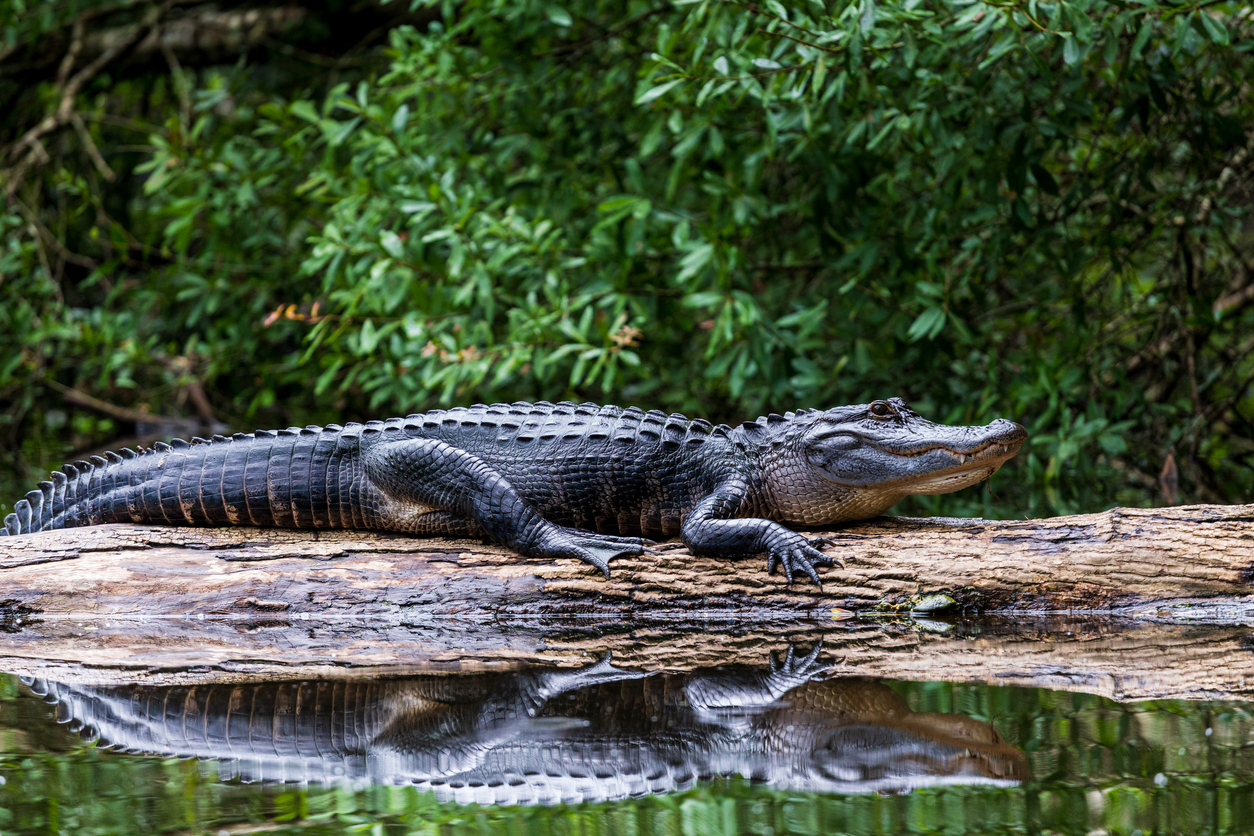
Photographing Texas’s remarkable reptiles demands skill and respect. Prioritize places like Brazos Bend for American Alligators, or Big Bend’s desert for diverse lizards. Keep distance with 300mm+ lenses instead of approaching. Around San Antonio, multiple ecoregions meet—boosting local snake diversity.
- Try warm-evening road cruising at Palmetto State Park for geckos and night snakes; save coachwhips and racerunners for daylight sessions
- Frame Western Diamondbacks against the dunes at Monahans Sandhills—from a safe, lawful distance
- Watch for basking gators at first light along marsh edges
- Seek rare South Texas species at Santa Ana NWR from boardwalks and established trails
Waterway Wildlife: River and Stream Photography Settings
Texas waterways are arteries of biodiversity where compelling moments unfold. From the Trinity River bottomlands with active rookeries to beaver-worked side channels along the Rio Grande, subjects abound year-round. Dial in to conditions: use 1/1000s+ to freeze herons mid-strike, or slow to 1/250s to paint water motion. Work f/5.6–f/8 to separate subjects against rippling bokeh, and hunt aquatic-insect macros in spring-fed Hill Country streams. Keep an eye out for nutria, muskrats, or river otters along calmer edges. Time visits: spring brings nesting, while late-summer droughts concentrate wildlife at shrinking pools. Dawn and dusk provide the best light and the shyest mammals.
Equipment Recommendations for Different Texas Ecosystems
Across Texas’s varied terrains, the right kit makes or breaks a wildlife session—and keeps you safe. For woodlands, a lightweight monopod (or trekking-pole conversion) stabilizes long glass without bulk. In grasslands, portable camouflage blinds hide movement while telephotos reach distant subjects. A chest- or harness-carry system frees your hands for scrambling yet keeps a camera ready. Desert work calls for weather-sealed bodies, dust protection, and sun barriers; wetlands demand rain covers, dry bags, and grippy footwear.
- Feel the thrill of capturing a wary fox from a well-concealed blind
- Move freely through dense forest with a light monopod and quiet boots
- Shoot longer under harsh sun with robust UV protection and hydration
- Keep your gear secure and functional with proper weatherproofing